
Commercial Lock Grades: High-Traffic Hardware Guide
Heavy use on a busy door will quickly break a lock not built for high traffic. Picking the right commercial lock grades keeps your doors safe while meeting strict NYC fire safety rules.
Need to secure your business entrances? Contact Universal Fireproof Door for professional commercial lock installation services in NYC.
Commercial lock grades are the main tool used to find the strength and safety of door hardware in buildings. These grades come from tests by the American National Standards Institute (ANSI) and the Builders Hardware Manufacturers Association (BHMA). They help owners pick the best locks for their doors. Grade 1 hardware is the strongest type and can handle one million uses in busy places like schools. Grade 2 locks work well for offices or shops with less traffic and must pass 800,000 uses. Grade 3 is mostly for homes and is not strong enough for most business doors. According to the ANSI standards, picking the right grade keeps your doors safe and working well every day.
Picking the best hardware for your property starts with a look at how these ratings work. We will show you the rules for each level in our guide to Understanding the ANSI/BHMA Commercial Lock Grades Standard. Let’s explore how these standard lock grades keep your NYC property secure and compliant.
What Are the ANSI/BHMA Commercial Lock Grades?
The Builders Hardware Manufacturers Association (BHMA) and the American National Standards Institute (ANSI) set the rules for door hardware. These groups create commercial lock grades based on how well a product works. For building managers, these grades show how long a lock will last and how much use it can take. Choosing the right grade helps you keep your building safe while saving money on future repairs. It also ensures your site stays in line with safety rules.
The Three Levels of BHMA Grading
BHMA uses a simple system with three levels to rank door hardware. Grade 1 is the highest level for how well they work. This hardware is built for doors that people use hundreds of times each day, such as a main entry. Grade 2 is for mid-range use. It works well for interior office doors or side exits that see less traffic. Grade 3 is mainly for homes. It is not usually strong enough for a busy business setting.
Building owners in NYC often need expert lock hardware set up to stay in line with local codes. When you pick a lock, you must think about the traffic on that door. A high-traffic entry needs a Grade 1 lock to handle the constant stress without breaking. Using the wrong grade can lead to frequent breaks and high costs for new parts.
Neutral Lab Testing
Hardware does not get a grade just because a brand says so. A product must go through neutral lab testing to earn its spot. Third-party labs check the locks for strength, security, and how many times they can open and close. This testing ensures that every Grade 1 lock meets the same high bar for safety. It gives you a clear way to compare different brands before you buy.
These labs put the locks through tough trials in a controlled setting. They pull on the levers and turn the keys many thousands of times. They also check how well the lock stands up to force and wear. This process gives managers peace of mind. You know that the hardware you buy will stand up to real-world use in a busy site. It also helps you plan your budget for hardware care over time.
ANSI Standards for Bored and Mortise Locks
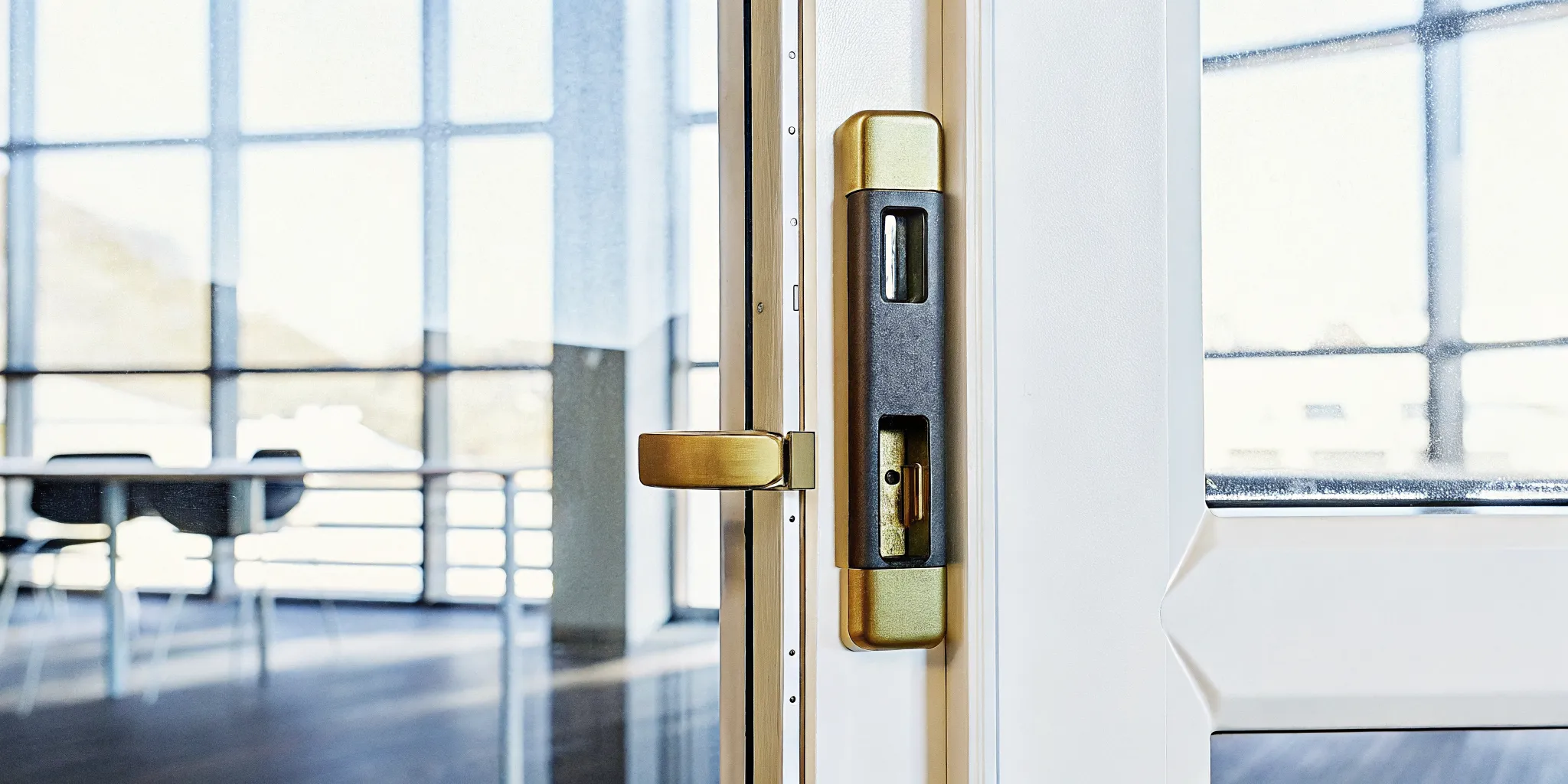
There are two main sets of rules for business locks. ANSI/BHMA A156.2 covers bored locks and latches. These are common locks where a hole is drilled through the door face. ANSI/BHMA A156.13 is the standard for mortise locks. These locks are larger and fit into a deep pocket cut into the edge of the door. Mortise locks are known for being very strong and durable.
Mortise locks are often stronger and last longer than bored locks. They are a common choice for commercial lock grades for fire doors because they can handle more weight and heat. Understanding these numbers helps you pick the right hardware for every opening in your property. When you use the correct ANSI standard, you ensure your doors work well and stay secure for years to come. You may also need ADA-compliant commercial locksets to meet federal rules for easy access.
Grade 1 vs. Grade 2 vs. Grade 3: The Technical Differences
When you select hardware for a business, you must know how the ANSI/BHMA grading system works. It separates light-duty locks from heavy-duty ones. The American National Standards Institute (ANSI) and the Builders Hardware Manufacturers Association (BHMA) set these rules. These standards for locks ensure that products meet set levels of safety and life. While all three grades meet some baseline rules, the gaps in how long they last are big.
Cycle Testing and Long Life
The main gap between grades is how long the lock stays working under heavy use. Grade 1 mortise locks are for the toughest jobs. They must pass a test of one million cycles. Grade 2 and Grade 3 locks only need to pass 800,000 cycles. This 20% gap in life makes Grade 1 the best pick for busy NYC doors. These high-traffic commercial doors often see hundreds of openings every single day. Using a lower grade on a main door leads to fast wear and higher costs.
Life also affects how often you need to fix or swap your locks. Grade 1 hardware uses stronger parts to handle the stress of steady motion. This makes it great for schools, clinics, and large office hubs. If a lock fails on a busy door, it can block people from coming in or leaving. Picking the right grade helps you avoid these risks. It keeps your doors working without steady help from a tech.
Strength and Latching Rules
All three grades must meet the same minimum strength rules to stop forced entry. Every grade must hold up against 360 pounds of force on the top of the lever. Also, all lock grades must latch with no more than 4.5 pounds of force. This ensures the door stays shut after it closes. Correct latching is vital for commercial lock grades for fire doors. A door that does not latch can let smoke and fire spread through a building.
| ANSI Grade | Primary Use | Cycle Test (Mortise) | Min. Lever Strength |
|---|---|---|---|
| Grade 1. | Heavy-Duty Commercial. | 1,000,000 cycles. | 360 lbs. |
| Grade 2. | Light-Duty Commercial. | 800,000 cycles. | 360 lbs. |
| Grade 3. | Home Use Only. | 800,000 cycles. | 360 lbs. |
Choosing the Right Grade for Your Building
For most NYC building owners, Grade 3 hardware is not a good pick. It is made for home use only. Commercial spaces usually need Grade 2 for inside office doors. Grade 1 is best for main entries and stairs. Picking the wrong grade can lead to code fines or safety gaps. You should check your traffic levels before you buy new locks. Heavy doors with many users always need the highest grade found.
If you are not sure which hardware fits your local code, our team can help. We offer professional lock hardware setup across NYC. We make sure your building stays safe and meets all fire rules. Our experts can walk you through the best picks for your doors and budget. This early step saves time and keeps your property secure for years to come.
What Are the Fire-Door Lock Requirements in NYC?
In New York City, commercial fire doors must meet strict safety rules to protect lives and property. These doors act as a barrier to stop the spread of fire and smoke during an emergency. To work right, every part of the door assembly must comply with the NYC building and fire code. This includes the door frame, the door itself, and all the hardware attached to it. Building owners must ensure that every piece of gear works as a single, safe system.
NYC fire code for commercial openings
The NYC building code requires fire doors to be both self-closing and self-latching. This means the door must close on its own and lock securely when it hits the frame. If a door stays open or fails to latch, it cannot block a fire or smoke. High-quality commercial lock grades for fire doors ensure that the latch stays in place even under extreme heat. These rules apply to schools, office buildings, and hotels across the city.
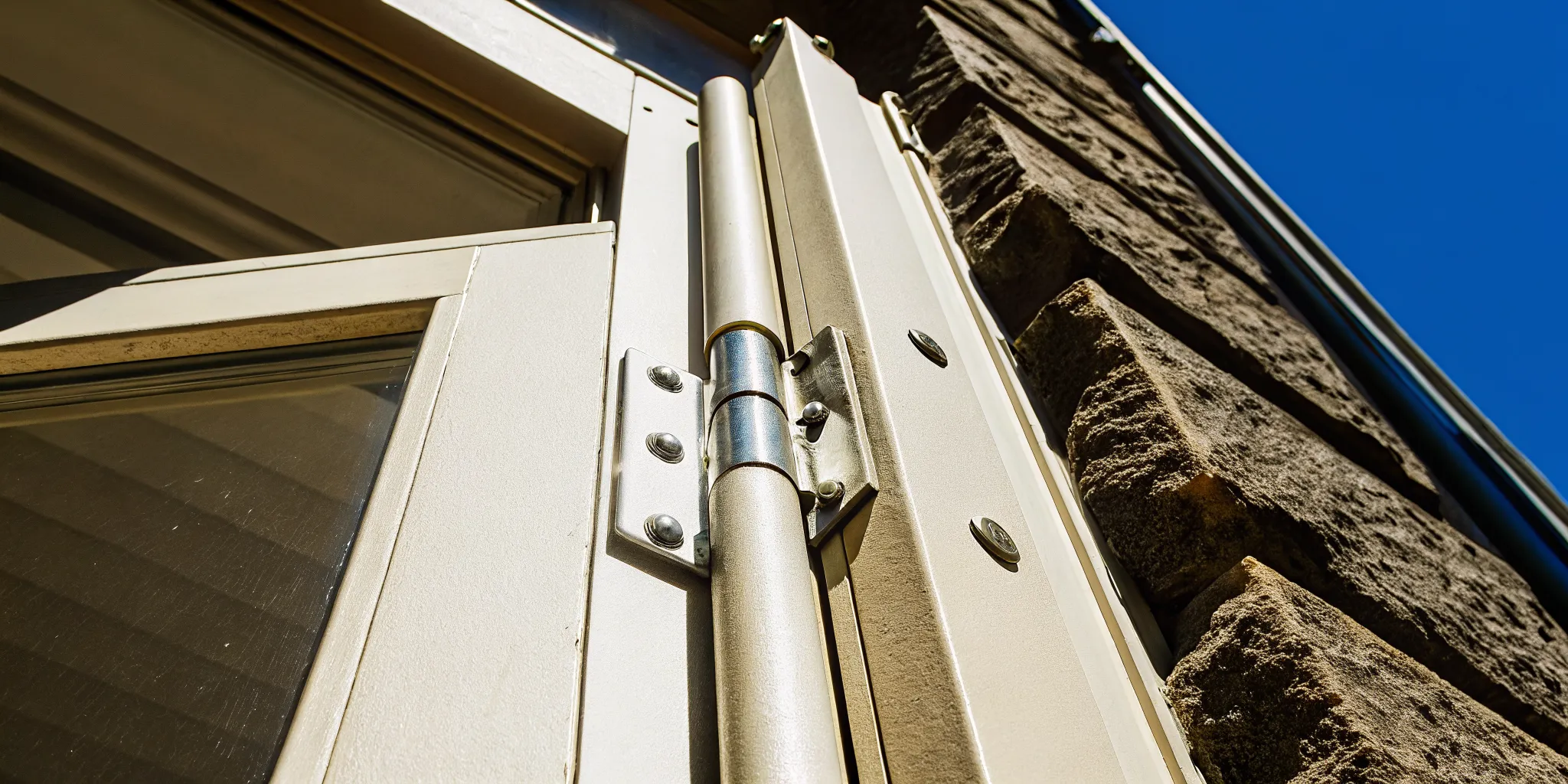
Property managers have a big job to keep these doors in good shape. They must check the hinges, closers, and locks often to be sure they meet the code. A door that does not close all the way is a major safety risk. In NYC, fire marshals look for these flaws during their walks. Failing an audit can lead to big fines and costly repairs for the owner.
Why self-latching hardware is needed
A fire-rated door is only as strong as its weakest point. During a fire, air pressure and heat can cause doors to warp or blow open. Self-latching hardware keeps the door shut so it can do its job. Building owners in NYC must use hardware that is tested and rated for fire use by a group like UL. Using the wrong lock can void the fire rating of the whole door assembly. This could put everyone in the building at risk if a fire starts.
The latch must be able to hold the door against the frame even when the heat is high. This prevents flames from jumping from one room to the next. It also helps to keep the exit paths clear of smoke for people trying to get out. Choosing the right hardware is a key part of any building safety plan. Professional teams can help you find the right fit for your specific needs.
The benefit of Grade 1 hardware for safety
Most experts suggest using Grade 1 hardware for fire doors in busy areas. This heavy-duty gear can handle the high use seen in NYC schools, hospitals, and office buildings. Grade 1 hardware is built to be the strongest and most secure choice. These locks pass six types of tests, including cycles, strength, and finish. Grade 1 locks must withstand one million cycles to pass the test. This ensures they will work well for a long time.
Using Grade 1 mortise locks helps keep fire-rated doors safe for years of daily use. These locks are often more robust than standard bored locks. They fit into a pocket cut into the edge of the door, which makes them strong. For high-traffic NYC buildings, this strength is needed to keep doors safe. Buying top-tier locks saves money over time by cutting the need for new parts.
Should You Choose Grade 1 or Grade 2 Locks for High-Traffic Doors?
Choosing the right door parts for your building depends on how many people use the doors each day. Building owners must balance cost with the long-term strength of the locks. The system of commercial lock grades helps you find the best fit for each opening. High-safety spots often follow government safety rules to ensure the parts can resist wear and forced entry.
Locks for high-use public areas
Areas with constant foot traffic need Grade 1 parts. These locks are built to last through one million cycles during testing. They work best for main entryways in retail stores and schools where doors open hundreds of times a day. Using heavy-duty locks in these spots keeps the doors safe and reduces the need for constant fixes. Grade 1 parts provide the most lock hardware strength and grades for busy spaces.
Schools and clinics also need the top grade for safety and fire rules. These settings put extra stress on door frames and latches. High-grade locks handle this pressure without failing or jamming. They are the best choice for any door that stays in use from morning until night.
Hardware for office and back rooms
Grade 2 locks work well for spaces that do not see many people. These items are rated for 800,000 cycles and provide good safety for internal rooms. You might use them for small offices, supply closets, or storage areas. Since these doors stay closed most of the time, they do not need the highest level of wear. This choice helps you save money without losing the safety your business needs.
Most Grade 2 locks meet the same force tests as Grade 1 units. They can hold up against 360 pounds of force on the lever. This makes them a solid choice for rooms where you need to keep items safe but do not expect heavy daily use.
Access control and special doors
Modern buildings often use tech to manage entry. When you set up an access control door installation NYC, you must pick the right grade. Many keyless locks come in Grade 1 to handle the weight of the new tech and the high use of the door. These units allow you to track who enters while keeping the door strong and secure.
Talking with a pro can help you map out your building needs. A team can check your traffic patterns and suggest the right mix of grades. This plan ensures every door works well while staying within your budget.
Four Clear Signs Your Commercial Door Hardware Needs Replacement
Busy doors face a lot of stress every day. Lock parts wear out in time. This leads to safety risks or break-ins. If you run a building in NYC, you must know when to get new door parts.
Frequent checks find issues before costs rise. Choosing the best commercial lock grades for fire doors is also a key part of staying safe and following city laws.
Common signs of failing parts
Door issues start small. You might feel a catch in the key or see a loose handle. These signs mean you need new parts.
Busy areas need strong locks to stay safe. If a door does not lock or shut right, it puts your whole site at risk. Our team provides NYC door hardware installation services to keep your site safe.
- Loose or Sagging Handles: If a door handle feels weak or hangs low, the springs inside are likely old. This often happens to low-grade locks in busy spots. Top-grade locks are made to last for one million uses, says the Builders Hardware Manufacturers Association.
- Latch and Strike Plate Issues: A door that does not shut on its own is a fire risk. Fire doors must shut and latch by themselves to stop smoke. If the latch does not line up with the plate on the frame, the door will not stay closed. This can happen if the frame moves or if the parts get bent over time.
- Keys that Stick or Catch: If a key is hard to turn, the pins in the lock are worn. This can lead to a broken key or a lockout. If you have to shake the key to make it work, it is time to look at new commercial lock grades for your doors. New locks work smooth and keep your building secure.
- Rules and Safety Issues: NYC has strict rules for doors that stop fires. All parts must have a label showing they are safe for fire use. If your parts lack this label or do not meet ADA rules, you need to swap them. Old parts often fail to meet the new laws for how people leave a building in a rush.
How to maintain your openings
Regular checks keep your doors in good shape. Test each door once a month. Check for loose parts or loud sounds.
If you find a flaw, act fast to fix it. Picking the right commercial lock grades keeps your building safe and legal. Expert help can make sure the new parts fit well and last a long time.
Frequently Asked Questions
What is an ANSI Grade 1 commercial lock?
An ANSI Grade 1 commercial lock is the top level for door hardware. These locks meet the most strict rules for strength. The ANSI says Grade 1 mortise locks must pass one million test cycles. They are the best choice for busy areas like schools or stores because they provide the best security and last a long time.
How many cycles does a Grade 2 lock last?
A Grade 2 commercial lock is built to last through 800,000 test cycles. This level ensures the hardware can handle medium traffic in office buildings or small stores. While they do not last as long as Grade 1 locks, they still meet high standards for strength. As noted by the ANSI Blog, all grades must withstand at least 360 pounds of force applied to the lever.
Can Grade 3 locks be used on NYC commercial fire doors?
No, Grade 3 locks are mostly not fit for NYC commercial fire doors. These locks are mainly for home use and may not meet strict fire codes for busy buildings. New York City rules often need self-closing hardware that can handle heavy daily use. Most site bosses choose Grade 1 or Grade 2 hardware for commercial doors to keep them secure and working well.
How do I know which commercial lock grade I need?
The right grade depends on how many people use the door each day. Busy main entries usually need Grade 1 hardware to prevent early failure. Inside office doors with less traffic can often use Grade 2 locks to save money. You should also check local codes, as fire-rated doors have special needs. If you are not sure, an expert door hardware check in NYC can help you find the best way to secure your building.
Ready to find the best commercial lock grades for your doors?
Failing to use the right lock grade often leads to fast wear and costly part swaps. Doors in busy spots need strong hardware that meets NYC fire codes to keep people safe and your business running. You can stop hardware breakdowns and cut down on repair bills by having a pro check your doors now. Our NYC experts know what local property managers and building owners need. We help you pick the right grade for every opening so you can stay safe and save time. We also provide NYC door hardware installation services to ensure every lock is set up the right way.
Ready to secure your building? Talk to an expert to schedule a free commercial door hardware consultation and code-compliance assessment.