
Call us at (718) 455-8442 to Request a Free Site Estimate for your NYC project today.
Commercial steel doors are a broad industry category that includes hollow metal models, steel-stiffened units, and solid steel doors. Most products sold as steel doors use hollow metal construction, where sheet steel wraps around a core. This distinction matters to NYC contractors because the 2022 NYC Fire Code sets specific requirements for fire ratings. Gauge thickness, and core materials based on door location and occupancy type. Making the right choice directly affects project timelines, compliance costs, and building safety.
Many GCs and architects use the terms commercial steel doors and hollow metal doors as if they mean the same thing. In practice, they often do refer to the same product on a project spec sheet. But understanding the technical difference between them helps you avoid costly specification errors and ensures your project meets the strict standards of the NYC Building Code. The following guide breaks down the terminology, the construction differences, and the fire-rating requirements every NYC contractor should know before placing an order.
Understanding the Terminology: Commercial Steel Doors vs Hollow Metal Doors
When you buy doors for a New York City job site, you will hear the terms commercial steel doors and hollow metal doors used for the same thing. While these names overlap in field talk, a technical line exists between them. According to the Steel Door Institute (SDI), hollow metal is a way to build a door using sheet steel over a core. In contrast, commercial steel door is a broad group that can include hollow metal, solid steel, or steel-stiffened types.
Call us at (718) 455-8442 to get a free site estimate for your next NYC project.
The standard for hollow metal
In the trade, most doors sold as steel units use hollow metal builds. This method uses two steel sheets that wrap around a core like polystyrene or honeycomb. The SDI sets the rules for how these doors must work. They track everything from the thickness of the metal to how the door holds up in a fire. For most hollow metal doors manufactured in NYC, meeting these SDI levels is a must for code work.
Broader steel door types
Not every steel door is hollow. The larger group of steel doors also includes heavy units with internal steel ribs for extra strength. These steel-stiffened doors often go into busy spots like school halls or hospital wings. While they fall under the steel door label, their internal frame sets them apart from basic models. Choosing the right name helps you get the exact spec you need for your building plans.
Why the names matter
Using the right terms helps you avoid errors in your project bids. A hollow metal door might work well for an office, but a high-risk stairwell might need a heavy steel-stiffened unit. When you know the difference, you can pick the best door for the job. This helps you meet the 2022 NYC Fire Code rules that went into effect on April 15, 2022. Clear specs lead to fewer delays and better safety on the site.
The Construction of a Steel Door: Gauges, Cores, and Materials
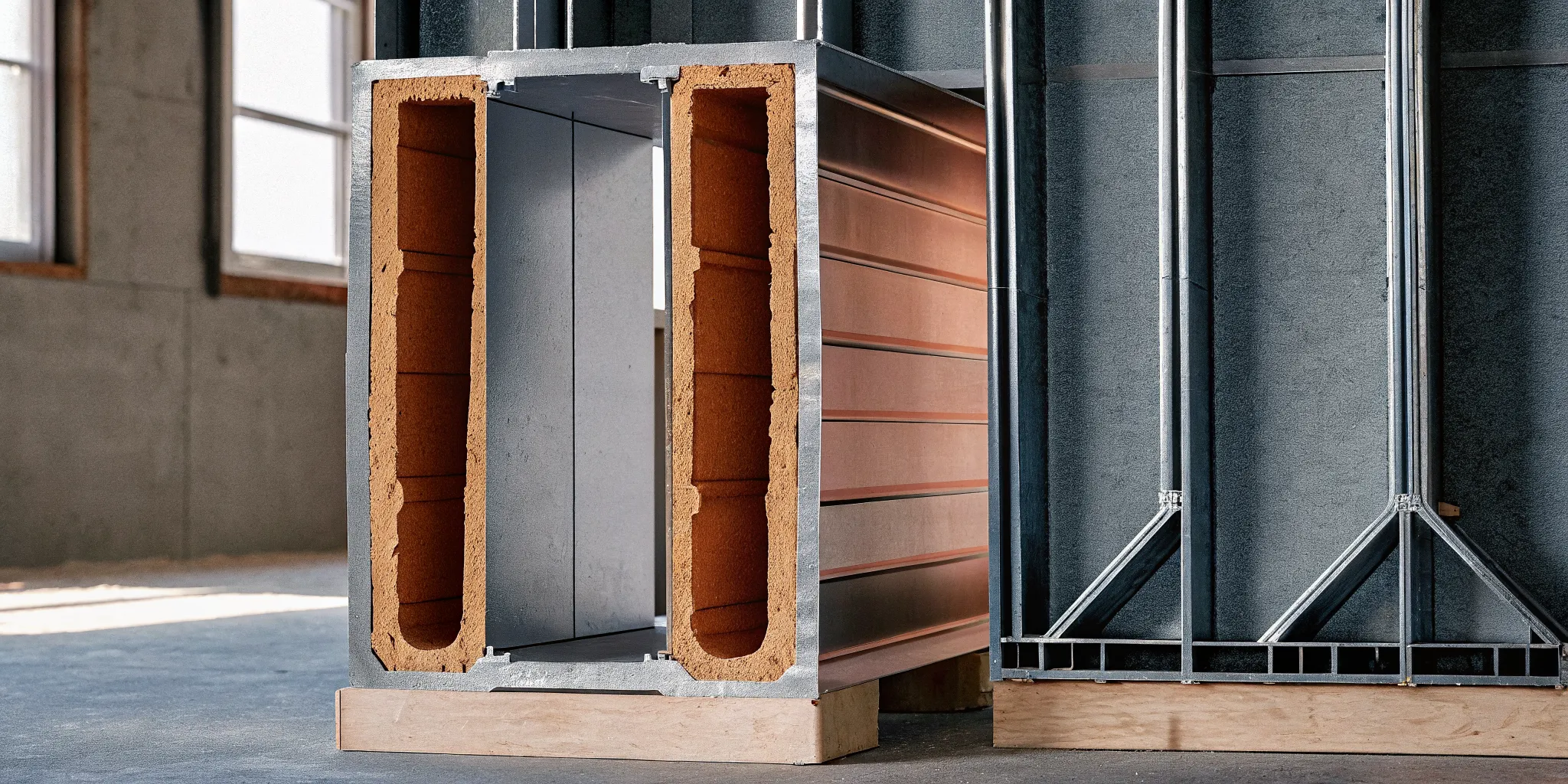
A commercial steel door is built to last in tough settings. Most of these doors use a hollow metal design. This means they have two steel skins wrapped around a center core. The way a door is built changes its strength, how well it holds heat, and how it handles fire. You should know these parts before you pick doors for a new building in New York City. The right mix of parts ensures the door meets local safety codes while staying within your project budget.
Steel thickness and gauges
The thickness of the steel skin is measured in gauges. A lower gauge number means the steel is thicker and stronger. For most offices, a 16-gauge door is the standard choice. It offers a good balance of weight and toughness for daily use. If you need a door for a back exit or a high-traffic spot, you might pick a 14-gauge or even a 12-gauge door. These thick skins help the door resist dents and break-ins in harsh city settings. For light use inside a building, an 18-gauge door may be enough to save on costs and weight. You can learn more about picking the right thickness in our commercial steel door gauge guide.
Internal door cores
The core is the material inside the steel skins. It gives the door its shape and adds special features like heat protection or sound proofing. A polystyrene core is a common pick because it has a high R-value of 6.87. This helps keep heat in or out, which can lower energy bills for a property owner. For spots that need the most strength, a steel-stiffened core uses extra metal ribs inside the door. These doors are very stiff and handle heavy use without warping. They are often used in places that need a 3-hour fire rating, which is the highest level for these door units. Honeycomb cores are another light and cheap option for inside doors that do not need to hold heat. In stairwells, you may need a temperature-rise core to keep the door face cool during a fire. This is a key safety rule in the NYC Building Code for tall buildings.
Materials and edge details
The type of steel you choose matters for how the door looks and how well it fights rust. Cold-rolled steel is great for indoor doors that you plan to paint. If the door will be outside, you should use galvannealed A60 or galvanized G90 steel. These have a zinc coating that stops rust from forming and helps paint stick better over time. For kitchens or wet spots, stainless steel in grades #304 or #316 is the best choice for clean settings. Beyond the metal, the edges of the door also vary based on how they are joined. You can get butted or hemmed edges, and some doors have beveled edges to help them close better in the frame. We build custom steel doors and frames from our Brooklyn shop to meet these exact needs for any local job site.
Fire Ratings for Commercial Steel Doors: What NYC Code Requires
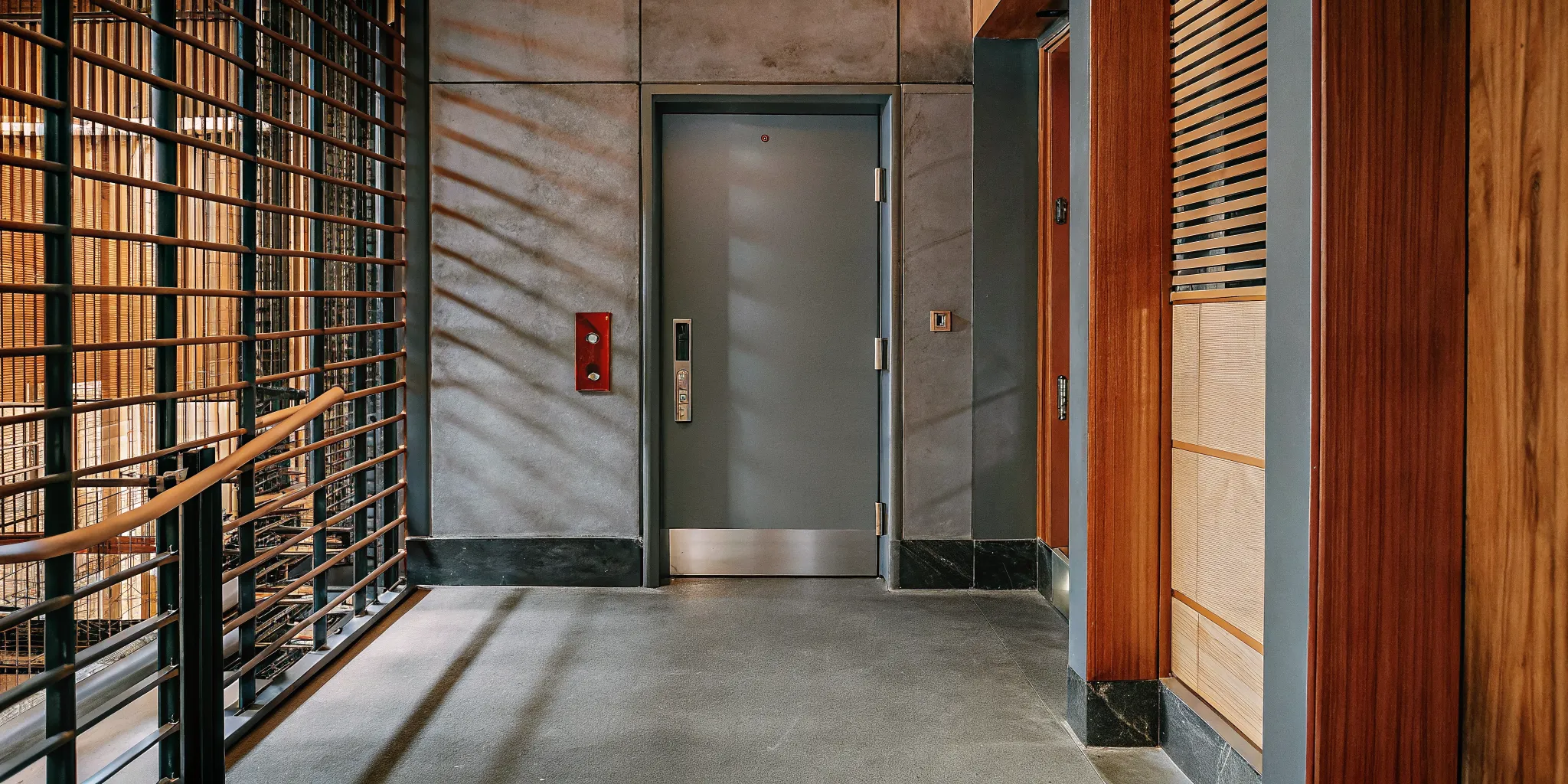
Commercial steel doors are a main tool for fire safety. These doors block smoke and flames. By stopping the spread of fire, they give people time to get out of the building safely. Each door gets a time rating, such as 20, 45, 60, 90, or 180 minutes. In the busy NYC market, using fire-rated steel doors with UL listings is the only way to meet local safety laws.
UL Fire Ratings and SDI Standards
The Steel Door Institute (SDI) sets the rules for how these doors are built. Hollow metal doors made in NYC use the only type of door that can get a full 3-hour fire rating for most jobs. This 180-minute rating is a top choice for fire walls. To hit this mark, shops use a steel-stiffened core. This core design meets SDI Grade III and Grade IV rules for strength and heat. Ratings are chosen based on where the door sits in the building. This keeps the path clear while people leave during a fire. Doors for halls and offices may only need a short rating, while stairwells need more time. Each door must have a label for city staff to check. Common NYC fire rating uses include:
- 90-minute doors for stairwell exits and egress paths.
- 20-minute to 45-minute doors for office halls and corridors.
- 180-minute doors for fire walls that divide large building zones.
- 90-minute doors for elevator lobbies in multi-story sites.
Temperature Rise and Egress Safety
A fire door does more than just stay in one piece. In a stairwell, it must also block heat. This is known as a temperature rise rating. If a fire burns on one side of a door, the other side should stay cool. This lets people move safely past the door. It also stops the heat from starting new fires on the far side. Heat rise ratings come in three main tiers: 250°F, 450°F, and 650°F. The 250°F rating is the best. It keeps the door face from getting too hot for at least 30 minutes. Tall buildings and schools often need these high-spec doors for exit paths. These doors use thick cores to block heat.
NYC Fire Code and Compliance
The rules for NYC buildings changed a short time ago. The 2022 NYC Fire Code took effect on April 15, 2022. It put more focus on door checks and care. Owners must check their doors often to ensure they close and latch on their own. Any gap or fault can lead to a fail. This updated code also covers things like self-closing hinges and smoke seals. Following the code is a smart business move. NYC has more than 30,000 open fire door faults. These issues can lead to fines of $250 each day. About 60% of city buildings had some type of fire safety fault in 2022. Buying the right commercial steel doors from the start helps owners avoid these high costs. It also builds trust with tenants and keeps people safe in a crisis.
Cost Comparison: Commercial Steel vs Hollow Metal Doors
Commercial steel doors and hollow metal doors often have the same price point because they are often the same product. For most NYC building jobs, the parts for a single door cost between $400 and $1,500. This wide price range exists because each door is built to fit an exact need. A stock door for a small shop costs much less than a custom door for a hospital or school.
Factors that drive door prices
The width of the steel is the biggest part in the final price. In the door field, we measure this thickness by gauge. A light 18-gauge door is a low-cost choice for low-traffic areas. But a heavy-duty 14-gauge or 12-gauge door costs more as it uses more steel. The type of core inside the door also changes the cost. Polystyrene cores offer better heat control but cost more than a basic honeycomb core.
Fire ratings also play a role in what you pay. Doors with a 20-minute fire rating are cheaper than those with a 3-hour UL listing. High fire ratings need special parts and testing to meet safety rules. When you buy hollow metal doors made in NYC, you must check that the specs match your local code needs. Adding custom hardware preps or special paint finishes will also add to the total part cost.
Setup and labor costs in NYC
The cost to set up a door is just as big as the price of the door itself. In the NYC metro area, you should plan to spend between $200 and $600 for a standard setup. This price covers the labor to hang the door and check the fit. If the old frame is worn or damaged, the labor cost may go up to cover the repair work. Getting expert steel door setup across NYC helps you avoid long-term issues with door swing and latching.
Labor rates in the city are often higher than in other parts of the country. But hiring a local team that knows the NYC Building Code can save you money on fines later. Correct setup makes sure the door meets fire safety standards and lasts for many years. According to standards from the Steel Door Institute, a well-set door reduces the need for costly repairs and keeps the building safe.
Getting a custom quote for your job
Most door companies do not have a fixed price list for their products. This is because every commercial job has special needs for size, fire rating, and hardware. Instead, makers use a quote-based system to give you a fair price. This approach helps general builders plan their budgets without guessing at the final cost of the job.
At Universal Fireproof Door, we offer a free site estimate to find the best fit for your building. Our team visits your site to measure the openings and check the local code rules. This step makes sure that your commercial steel doors are built right the first time. Getting a custom quote is the most sure way to get an exact price for your exact door and frame needs.
How to Specify the Right Commercial Steel Door for Your NYC Project
Picking the right hollow metal doors manufactured in NYC means matching the door build to its planned use. Contractors and architects must check technical facts to ensure the door meets building code and project needs. Following a clear step-by-step process helps prevent errors in specs that can lead to site delays or failed checks.
Select the door gauge based on usage
The thickness of the steel, or gauge, tells you how well the door resists wear. Standard 16-gauge steel gives the best balance of strength and cost for most office and store interiors. For light interior openings with low traffic, 18-gauge doors may be used to save weight. High-security spots like warehouse docks or jail rooms need 14-gauge or 12-gauge heavy steel to stop forced entry or damage.
Verify fire ratings and core types
NYC projects must follow strict fire safety rules for all door units. Stairwell openings often need a 90-minute fire rating to keep exit paths safe. Corridor doors usually use 20-minute to 45-minute ratings. Picking the right core is also key for both safety and heat needs. A polystyrene core gives a high R-value of 6.87 for better heat use. For 3-hour fire-rated spots, a steel-stiffened core is needed to meet SDI Grades III and IV standards.
Choose the frame and hardware setup
- Decide if the project needs knockdown frames for drywall or welded frames for masonry. Use hollow metal frames for commercial openings that match the wall type for a tight fit.
- Check the NYC Building Code for temperature rise rules in stairwells. This ensures the door skin stays safe during a fire.
- Pick the right finish, such as A60 galvannealed steel for interior paint or G90 galvanized steel for doors in wet NYC weather.
- Make sure the shop is an SDI-registered company to ensure the door meets national standards for trade use.
- Confirm the crew provides full-service commercial door solutions that include site measurement and UL-label checks.
Working with a local shop makes the process easier by cutting wait times. Most NYC projects can get doors in 3 to 5 business days. This is much faster than the 2 to 3-week industry norm. Fast service helps contractors clear open fire door violations and avoid fines that reach $250 per day under the NYC Fire Code.
Why NYC Contractors Choose a Local Manufacturer for Commercial Steel Doors
NYC contractors often face tight project deadlines and complex local building codes. Choosing a local maker for commercial steel doors provides a level of speed and precision that national plants rarely match. Universal Fireproof Door has served the five boroughs since 1924, offering deep skill in local rules and high-quality production.
Speed and flexibility for tight project timelines
In the fast-paced NYC construction market, waiting weeks for a door can stall an entire project. While the industry standard for custom orders is often two to three weeks, our Brooklyn factory provides a 3-5 day turnaround. This speed is a major help for contractors who need to fix fire door violations quickly or meet strict closing dates.
We also offer a no minimum order policy. This means we treat a single door order with the same care as a project for 100 or more doors. This choice allows small and mid-sized firms to get the products they need without the large purchase rules of big factories. Whether you need one replacement door or a full set for a new building, we can help.
Full control through vertical integration
One of the biggest pluses of working with a local maker is vertical integration. We make and install our own products, giving us full control over the quality of each custom steel doors and frames from our Brooklyn facility. Many rivals in the city are only installers who buy their doors from other plants, which can lead to long waits and news gaps.
Our in-house work means we can build doors to exact specs for any NYC building type. Whether it is a landmark site or a new high-rise, we ensure every part meets the SDI industry standards for strength and safety. We manage the whole path from the shop floor to the final setup on your job site.
Direct access to NYC code expertise
NYC fire codes are among the most strict in the world. The 2022 NYC Fire Code brought new rules that contractors must follow to avoid big fines. With over 100 years of work in the city, we help our clients use these rules and pick the right fire ratings for their needs. Our team knows how to match the right door to the specific needs of your project.
As an SDI-registered maker and an MBE-certified business, we keep high standards of service. Our full-service commercial door solutions include OSHA-certified crews who know how to put in doors that pass the test. By choosing a local expert, you get peace of mind and a partner who knows our 100-year history in NYC.
Frequently Asked Questions
How much does a commercial hollow metal door cost in NYC?
Commercial hollow metal doors in New York City usually cost between $400 and $1,500 for the door. Expert setup adds another $200 to $600 to the total price. These costs change based on the steel gauge, fire rating, and custom size your project needs. According to the Steel Door Institute, hollow metal is the best low-cost choice for doors that need high strength and fire safety.
How long is the lead time for a custom commercial steel door in NYC?
Most shops take two to three weeks to ship custom steel doors. However, local shops in Brooklyn can finish standard orders in three to five days. This fast speed helps builders avoid fines and keep jobs on track. Next-day service is often ready for urgent fire door needs. Buying from a local maker also cuts out the risk of shipping delays that happen with out-of-state orders.
What are the fines for NYC fire door violations?
Building owners in NYC face fines of $250 per day for each open fire door violation. There are more than 30,000 active fire safety violations across the city today. The 2022 NYC Fire Code says doors must have clear labels and work well to save lives during a fire. Often, a check by an expert helps you find issues before the city gives you a costly fine or a stop-work order.
Are hollow metal doors a better choice than fire-rated wood doors?
Hollow metal doors mostly cost less than solid wood doors with the same fire rating. Steel is the only material that can get a three-hour fire rating for high-risk spots. While wood may look nice for some offices, steel gives better safety and lasts longer in busy areas. A Steel Door Institute study shows that steel doors need less care and fewer repairs over time compared to wood in commercial buildings.
Ready to schedule a free site estimate and consultation?
NYC fire code fines lead to daily costs and safety risks for your building, so acting now is the best way to avoid these high fees. Our team gets your work done fast with a three to five day wait on custom orders made right here in our local Brooklyn shop now. This local way helps you meet tight dates and avoid long delays while you get expert help with NYC Building Code rules and door picks.
Ready to schedule a free site estimate and consultation? Call (718) 455-8442 right now to set up your visit, speak with our local team, and get your custom door project started today without any more delay.
Frequently Asked Questions About Commercial Steel Doors
How much does a commercial hollow metal door cost in NYC?
Commercial hollow metal doors in New York City usually cost between $400 and $1,500 for the door itself, with expert setup adding another $200 to $600. The final price depends on steel gauge, core material, fire rating, hardware, and custom finish requirements.
How long is the lead time for a custom commercial steel door in NYC?
Most shops take two to three weeks to ship custom steel doors. However, local manufacturers in Brooklyn can complete standard orders in three to five days, helping builders avoid costly delays on tight project timelines.
What are the fines for NYC fire door violations?
Building owners in NYC face fines for fire door violations. Uncertified violations carry fines starting at $250 per day for owners who fail to self-certify within 30 days, while immediately hazardous violations impose a minimum $1,000 fine. Regular maintenance and proper door selection help avoid these penalties.