
Custom Stainless Steel Doors for Cleanrooms & Labs
NYC research labs and chemical plants face harsh wash cycles and strict hygiene codes that standard metal doors cannot handle. These high-stakes spaces need hardware that resists rust and keeps a tight seal. This keeps workers safe and prevents damage to equipment.
Contact Universal Fire Doors at (718) 455-8442 for a free consultation and quote.
Custom stainless steel doors provide the needed protection from rust and chemical damage found in cleanrooms and laboratories while meeting strict ASTM and NYC standards. Unlike standard steel, these alloys do not rust when exposed to moisture or harsh fluids used in research and containment zones. These doors also feature seamless edges to eliminate gaps where bacteria can hide, ensuring the sterile workspace remains safe and clean. By choosing a custom build, facility managers specify precise fire ratings and pressure seals that match the physical demands of their site. Investing in these tough systems reduces repair costs and stops contamination in New York City work zones and modern research labs.
Choosing the right material is the first step in protecting a sensitive facility. Why Cleanrooms and Laboratories Need Custom Stainless Steel Doors is the logical place to start when planning a safe workspace. Here is how these doors outperform standard options.
Why Cleanrooms and Laboratories Need Custom Stainless Steel Doors
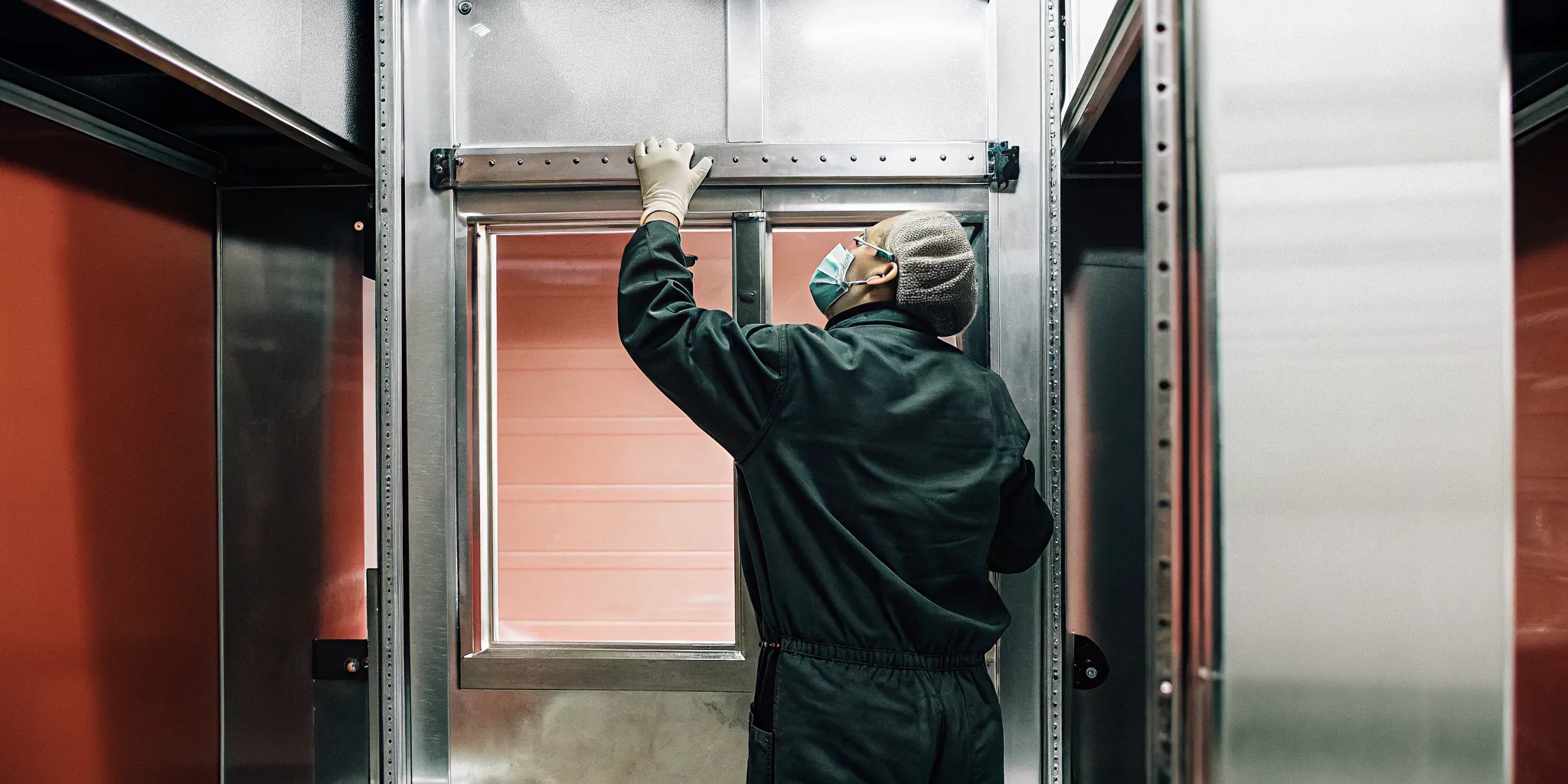
Controlled rooms must follow strict ISO rules for air purity and dust control. Standard metal doors often fail in these zones because they have small holes and seams where germs can grow. For lab sites in New York City, picking custom stainless steel doors is a must to keep the space clean.
Meeting Cleanroom Rules
Cleanrooms get a grade from ISO Class 1 to ISO Class 8 based on how much dust is in the air. Top sites like the CUNY ASRC nanofabrication facility need parts that do not shed bits or hold dirt. Stainless steel is a great pick for these spots because it is smooth and easy to wash with strong soaps.
Basic doors may not hit these grades due to rough spots and inner gaps. Custom doors for labs use smooth welds and clean edges to make sure there is no place for germs to hide. These traits help the room keep the air pressure and purity levels needed for deep research or medical work.
Resisting Strong Chemicals
Labs use strong soaps and chemicals to keep all surfaces safe. In time, these cleaners can eat through the paint on a plain steel door. Stainless steel grades like #304 or #316 give the right shield against rust and wear. This strength makes sure the door stays safe and works well for years under heavy use.
Many top NYC labs use this metal for their most vital zones. For instance, the Columbia CNI cleanroom uses stainless steel for hoods in chip-making areas to stop chemical harm. Using the same metal for door systems makes sure the whole lab shell stays strong and resists rust from fumes or spills.
Builds for Clean Performance
The way a door is made is as vital as the metal. Custom doors for clean rooms have fully welded seams and flat top parts. These builds stop dust from piling up on top of the door or inside its frame. Smooth faces allow for a full wipe that kills germs without hurting the door.
When you plan a lab build, you should check custom door construction specifications to get the best long-term value. A well-built door stops the need for costly swaps later. By using high-grade stainless steel with expert welds, sites can meet both local NYC building codes and global safety rules.
Stainless Steel Grades: 304 vs 316 for Controlled Environments
Picking the right metal for your lab door is a big step. Most cleanrooms and labs in New York City use two main types of steel. These are Type 304 and Type 316. Each grade has a different mix of metals. This changes how it fights rust. Picking the wrong one can lead to stains or damage in a short time. Our custom stainless steel doors meet high rules for both style and safety.
Type 304 for General Lab Use
Type 304 is the most common choice for many research sites. It offers good strength and resists rust from water and light soaps. This grade is used in standard lab environments where harsh liquids are not a daily risk. It works well for tech sites like labs or health clinics. It is a helpful way to get a clean look that lasts for years. We build these doors with 18-gauge steel to keep them strong and light for busy halls.
This alloy is also non-magnetic. This makes it a great fit for rooms with tools like MRI machines. It stands up to the heavy cleaning needed in modern labs. The #4 satin finish helps hide marks and light scratches. If your site does not use strong acids or salt, this grade is the best path for your project. We make these doors to fit 1-3/4 inch frames.
Type 316 for High Chemical Resistance
Some labs face tougher tasks that need more protection. Type 316 steel is the top choice for chemical plants and food prep zones. It has a special metal called molybdenum added to the mix. This makes the door much better at fighting off salt and bleach. It is the best choice for stainless steel doors for hygiene in places that use strong cleaners. These doors stay bright even in very wet or salty air.
If your room deals with harsh fumes, Type 316 is a smart buy. It costs a bit more than Type 304, but it lasts longer in hard areas. This helps you avoid the high cost of replacing doors that have rusted through. We suggest this grade for drug labs and waste sites. It helps your site stay in line with health codes and safety rules. These doors are built to last in the most tough NYC research spaces.
Industrial Specs and Custom Builds
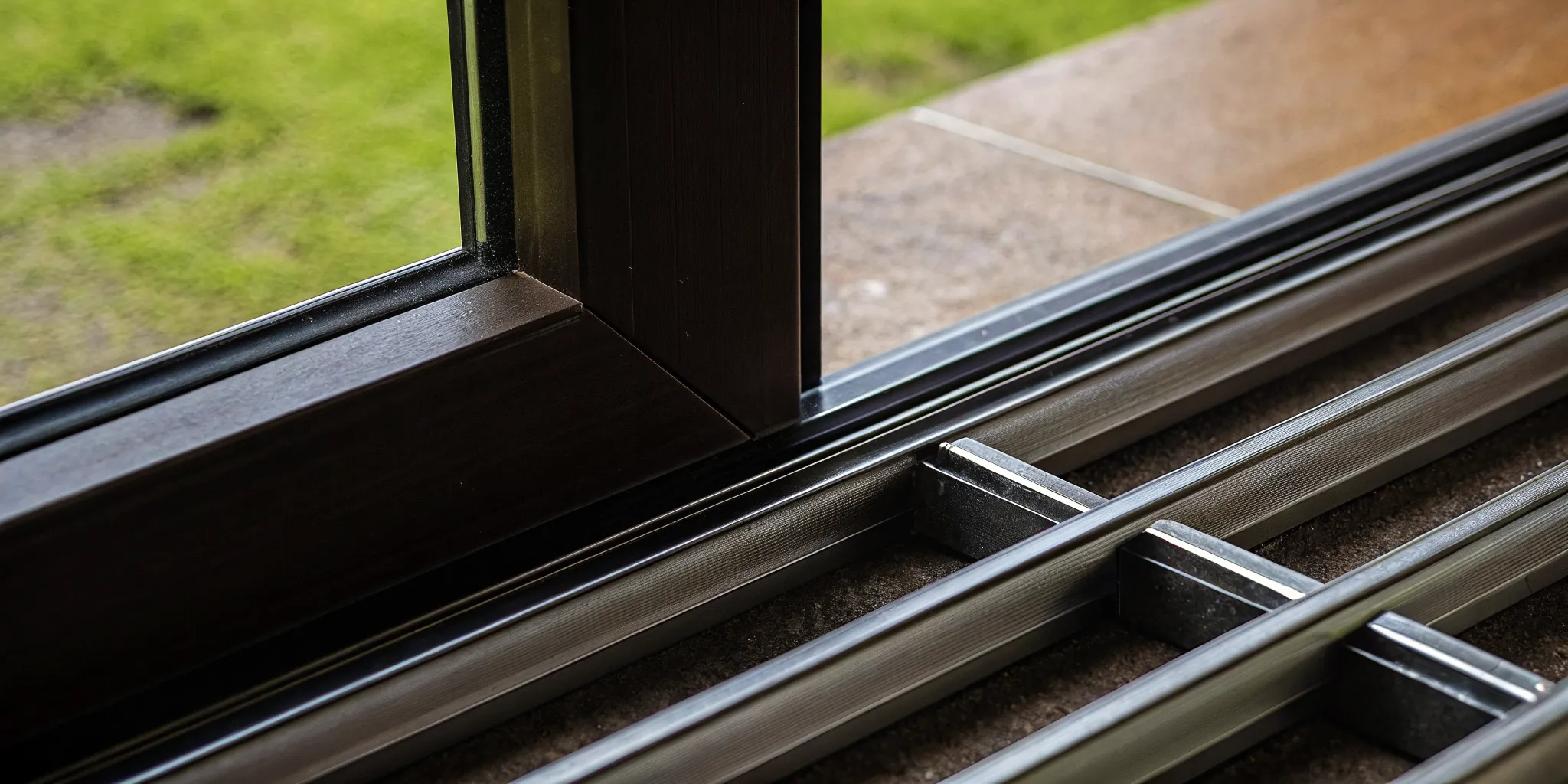
We build our doors to meet tough trade rules like ASTM A666. Our common door is 1-3/4 inches thick for a solid feel. We make every door in our local Brooklyn and Long Island shops. This helps us offer a 12-day lead time for stainless steel jobs. This is much faster than the long wait you might find at other big brands. Our specs match or beat those from brands like Steelcraft and Trudoor.
Our custom units offer many choices for your project. We work with you to pick the best options for your site. Our common builds include:
- 18-gauge or 16-gauge steel for high strength
- #4 satin finish for a clean look
- Seamless edges to stop dirt buildup
- Full use of the Buy American Act rules
Our doors also meet UL fire rules for safety. We use a #4 satin finish on all of our custom stainless steel units. This finish looks clean and is easy to scrub down. Every unit we sell is made to fit your exact needs. We offer custom sizes to make sure your install is fast and easy.
Custom Manufacturing: Fabrication Options for NYC Research Facilities
Universal Fireproof Door works as a full-service builder with shops in Brooklyn and Long Island. We handle every part of the job from the first design to the final setup. This local control lets us give a 12-day lead time for custom stainless steel doors. Many other shops take weeks or months to ship these exact units. If your project needs standard steel, we can often finish the work in just three to five days.
Custom Core and Edge Designs
We offer several core options to meet the needs of NYC labs and cleanrooms. You can choose a core based on the traffic and safety needs of your space:
- Polystyrene cores for better insulation.
- Honeycomb cores for light but strong doors.
- Heavy-duty steel door construction for high-traffic zones.
Steel-stiffened cores offer the best strength where doors face constant use. These cores use steel ribs to stop the door from bending or denting over time. This makes them a great fit for rooms with heavy tools and gear.
Our shop also makes custom edge parts to fit your space. You can pick from seamless edges, butted edges, or hemmed edges. Seamless edges are a top choice for clean rooms since they have no gaps where dirt can hide. We also build doors with flush or inverted top and bottom channels. These parts help stop dust from piling up on the door. This is a key step in keeping a room clean. Sites like the Columbia University CNI cleanroom use stainless steel to meet these needs.
Custom Sizing and SDI Standards
As an SDI registered shop, we follow strict rules for all our metal doors and frames. We do not just sell standard sizes. Our NYC team can build doors to any custom height, width, or gauge your project wants. This range is helpful for older buildings in the five boroughs where door frames are often not a standard size. We make sure each unit fits the space well to keep a tight seal and steady air pressure.
Our crews in Brooklyn and Long Island know NYC building codes well. We use our own workers for every job to make sure the work meets all local safety laws. This full control over the work cuts down on mistakes and helps you stay on time. Lab managers trust us for fast and expert help that keeps their work moving. We focus on the small details that make a big impact in high-tech spaces.
Fire-Rating, Code Compliance, and NYC Building Standards
Building labs in NYC means following strict safety codes. For a site to stay safe, doors must meet high fire-rating standards. Our custom stainless steel doors are built to face these tough rules. We focus on local NYC building laws and global safety tests to ensure every door we install keeps your team safe.
Fire Ratings and Assembly Standards
NYC Building Code sets different fire ratings based on the door spot. Ratings can range from 20-minute smoke doors to 3-hour Class A fire doors. A 3-hour rating is often needed for doors in walls that separate big fire zones. These doors must stop fire from moving for at least three hours. We make sure our commercial hollow metal doors meet these exact UL time limits.
Choosing the right rating is not just about safety. It is also about staying within the law to avoid fines. NYC agents check for UL labels on every fire door unit. These labels prove the door can stand up to high heat. Research labs at schools like Columbia University use high-grade gear. This helps them keep their lab standards at the right level.
Material Quality and Test Protocols
We use ASTM A666 standards to pick the best stainless steel for our doors. This standard ensures the metal is strong and resists rust well in wet lab areas. To prove fire safety, we follow the ASTM E152 test method for door units. We also use UL-10B and UL-10C rules for neutral and positive pressure tests. These tests check how a door handles fire and the high pressure of a hose stream. This testing proves the door will not fail when a fire starts in a high-risk lab.
Door builds must follow ANSI A250.8, which is also called SDI 100. This rule sets the gauge and design for high-quality doors used in schools and hospitals. For hardware, we use ANSI A250.6 standards to prep the frames. This ensures that locks and hinges are set into the door the right way for long-term use. Following these custom door construction rules makes the door last longer in busy labs with heavy foot traffic.
Specialized Safety and Efficiency
Temperature rise ratings are a key part of stairwell safety. These ratings are set at 250F, 450F, or 650F. They measure how much heat can pass through the door after 30 minutes. In NYC, stairwell doors often need a 250F rating. This keeps the stairs cool so people can escape a burning building safely. Corridor doors may have higher limits since they are not the main path out.
Noise control is another big part of lab design. Many labs use loud machines that can bother other workers in the building. Our doors can reach an STC 46 rating for sound control. This means the door blocks a lot of sound that would normally leak through a standard steel door. Using a door with an STC 46 rating helps block noise in small labs or cleanrooms. This keeps the rest of the facility quiet and focused on the research at hand.
We are a Minority Business Enterprise (MBE) in NYC. This status helps general contractors hit their diversity goals on public jobs. Using an MBE shop makes it easier to bid on city and state contracts. We handle the paperwork so you can focus on the build. Our vertical model means we make the doors in Brooklyn and install them with our own teams.
The 2022 NYC Fire Code has new rules for how buildings must track fire safety. It requires clear records of all fire-rated openings. Our doors help you meet these rules with clear labels and solid builds. Following the latest fire code keeps your building safe and avoids legal issues. We stay up to date on every change so your project never falls behind.
Stainless Steel vs Standard Hollow Metal Doors: Choosing the Right Door for Your Facility
Choosing the right door material is a key step in building a safe and clean site. Most commercial sites use standard hollow metal doors. These doors work well for dry areas like offices or stairwells. But high-performance sites like labs and cleanrooms need more care. While standard doors cost less at first, custom stainless steel doors offer more value in tough places. They resist rust and harsh chemicals that would quickly damage painted steel.
Performance in Wet and Chemical Areas
Standard metal doors rely on a thin layer of paint or primer. If the paint chips, the steel underneath can rust. This is a big risk in NYC research labs where staff use strong cleaners each day. Stainless steel doors do not need paint. The metal itself resists rust even when wet. This makes them the best choice for wash-down zones and chemical rooms. Using metals that meet ASTM A666 standards ensures the doors stay strong in these harsh zones.
Lifecycle Cost and Cleaning Needs
Standard doors have a low starting price but higher upkeep costs. You must repaint them often to stop rust. In contrast, stainless steel is easy to clean and stays smooth for years. This is vital for cleanrooms that must stay free of dust and germs. Sites like the CUNY Advanced Science Research Center need these controlled environments to keep their work safe. A stainless door can last much longer than a standard door in a damp or salty NYC coastal area.
| Feature | Standard Hollow Metal | Custom Stainless Steel |
|---|---|---|
| Rust Resistance | Low (needs paint) | Very High (natural) |
| First Cost | Budget-friendly | High-end investment |
| Service Life | 5 to 15 years in labs | 25 or more years in labs |
| Cleanroom Use | Limited use | Best for high hygiene |
| Fire Rating | Up to 3 hours | Up to 3 hours |
| Chemical Resistance | Poor (paint may peel) | Great (Type 316) |
When to Use Each Door Type
You should use commercial hollow metal doors for most dry, indoor areas. They provide great fire safety and security for a lower price. Save your budget for stainless steel doors in areas with high moisture or acid exposure. If your site handles food, medicine, or electronics, the hygiene of stainless steel is a must. Picking the right material now prevents costly fixes and helps you pass building checks later.
Frequently Asked Questions
What are the benefits of custom stainless steel doors for laboratories?
Stainless steel doors last a long time and do not rust in wet labs. Their smooth surfaces stop germs from growing and make cleaning easy. Unlike plain steel, these doors do not chip or peel. According to Columbia University, stainless steel is a great choice for cleanroom tools. Custom builds ensure a good fit for lab rooms. This makes them a smart pick for new research sites.
Are stainless steel doors suitable for chemical containment environments?
Yes, stainless steel works well for chemical containment because it resists damage from acids. Type 316 steel is best for labs that use harsh liquids. It handles spills without warping or breaking down. These doors meet strict safety rules for NYC labs. Custom sizes allow for tight seals to keep fumes in the room. This helps keep workers safe and keeps the air clean in the building.
How do stainless steel doors comply with NYC building codes for cleanrooms?
Custom stainless steel doors meet NYC building codes by offering fire protection and being easy to wash. Most designs have fire ratings for up to three hours. They also follow rules for metal strength. Smooth, welded seams stop dust and dirt from hiding in cracks. This design helps sites like the CUNY ASRC keep their air clean. These doors help managers pass tests and keep their labs safe.
Can custom stainless steel doors include vision panels or glass?
Yes, custom stainless steel doors can have glass windows for safety. These panels use fire-rated glass to match the door’s safety grade. You can choose from small ports to large panes. Makers in NYC often build these windows with sloped frames so dust cannot settle on them. This is key for labs that need to see inside rooms while keeping them clean. Adding glass does not make the door less strong.
Need Custom Stainless Steel Doors for Your NYC Facility?
Every day your NYC lab or cleanroom lacks the right containment doors is a day you risk safety, city fines, and costly code issues. If you wait to start your project, you may face long lead times that stop your work or cause a breach in your clean space. You do not want to deal with the high costs of a safety lapse or a failed inspection that halts your research or production. Ordering your custom stainless steel doors today ensures you get the exact fit you need on a timeline that keeps your work moving.
Ready to schedule a free consultation and quote? Call (718) 455-8442 to talk to a door expert and start your order today.
What are the benefits of custom stainless steel doors for laboratories?
Stainless steel doors last a long time and do not rust in wet labs. Their smooth surfaces stop germs from growing and make cleaning easy. Unlike plain steel, these doors do not chip or peel. According to Columbia University, stainless steel is a great choice for cleanroom tools. Custom builds ensure a good fit for lab rooms. This makes them a smart pick for new research sites.
Are stainless steel doors suitable for chemical containment environments?
Yes, stainless steel works well for chemical containment because it resists damage from acids. Type 316 steel is best for labs that use harsh liquids. It handles spills without warping or breaking down. These doors meet strict safety rules for NYC labs. Custom sizes allow for tight seals to keep fumes in the room. This helps keep workers safe and keeps the air clean in the building.
How do stainless steel doors comply with NYC building codes for cleanrooms?
Custom stainless steel doors meet NYC building codes by offering fire protection and being easy to wash. Most designs have fire ratings for up to three hours. They also follow rules for metal strength. Smooth, welded seams stop dust and dirt from hiding in cracks. This design helps sites like the CUNY ASRC keep their air clean. These doors help managers pass tests and keep their labs safe.
Can custom stainless steel doors include vision panels or glass?
Yes, custom stainless steel doors can have glass windows for safety. These panels use fire-rated glass to match the door’s safety grade. You can choose from small ports to large panes. Makers in NYC often build these windows with sloped frames so dust cannot settle on them. This is key for labs that need to see inside rooms while keeping them clean. Adding glass does not make the door less strong.