
A fire door without listed gasketing fails to stop the lethal spread of smoke through a building. These components are vital life safety barriers. NYC property managers must verify these seals and fire door hardware to avoid safety violations.
Fire door gasketing requirements apply when a listed door assembly must limit smoke and draft leakage. The door label, approved assembly instructions, and opening’s required function determine which perimeter seals, door bottoms, or intumescent products are permitted. An S-labeled assembly must use listed components and meet the applicable air-leakage limit.
Need help confirming the seals on an NYC opening? Request a fire door compliance assessment from Universal Fireproof Door.
Knowing which specific seals your property needs starts with a careful review of the label, approved components, and the opening’s required function.
When do fire door gasketing requirements apply?
Fire door gasketing requirements often depend on what the door must stop. Fire doors block flames for a set time, such as 20 minutes or 3 hours. However, smoke can still pass through small gaps around the door. Smoke and draft control doors must limit this air flow to protect people during a fire. In some cases, like in assisted living homes, doors must meet specific smoke rules to keep halls safe. This helps ensure that residents have time to get out of the building. Without the right seals, even a fire-rated door might not stop harmful fumes from spreading.
Fire protection vs. smoke control needs
Gasketing is needed when a door set must keep smoke from moving between rooms. In many cases, a door that stops fire does not stop smoke on its own. For example, a 20-minute door usually needs smoke gaskets to meet safety rules. Higher ratings, like 45 or 60 minutes, may also need intumescent seals that expand when they get hot. These seals help the door stay in place and block flames. They act as a second line of defense by sealing the gap as the heat rises. This is why you must choose seals that match the fire rating of your door. If the seals do not match, the entire door set might fail when it is needed most.
Code requirements in New York City
In New York City, fire safety rules are very strict. The 2022 Fire Code, also known as Local Law 47, sets the bar for most buildings. It requires doors to resist fire and close on their own. Gasketing and smoke seals are key parts of these systems. They help manage smoke and draft control as the city needs. Building owners and bosses must look at how each room is used. For instance, a door in a hall that leads to a stairwell must have seals to keep smoke out of the exit path. This is a common rule in many NYC buildings. Following these rules helps you avoid fines and keep your property safe. It also ensures that your building meets the latest safety standards used across the five boroughs.
The role of labels and testing
The best way to find out if a door needs gasketing is to check its label. An “S” label on the fire rating tag is a major sign. It means the door can control smoke and draft if you use the right gasketing. This label shows that the door passed a standard air leakage test. This test, known as UL 1784, measures how much air leaks through the door at different heat levels. The air flow must stay below 3.0 cubic feet per minute for each square foot of the door. Using the right fire door gasketing and smoke seals is the only way to ensure the door follows the law. If the door does not need gasketing by code, the seals do not have to go all the way around. However, any parts you do use must meet UL 10C standards. Expert setup is also vital. A seal that is not put on right will not work in a real fire. Universal Fire Doors can help you find the right parts for your NYC property and ensure they are put in right.
How do the main sealing products differ?
The four main sealing products are perimeter gaskets, smoke seals, automatic door bottoms, and intumescent seals. Perimeter and smoke seals limit leakage around the frame, door bottoms address the undercut, and intumescent products expand under heat. Each product must be listed and permitted for the specific assembly.
- Perimeter gaskets: seal the head and jambs.
- Smoke seals: limit air and smoke leakage.
- Door bottoms: address the gap at the floor.
- Intumescent products: expand when exposed to heat.
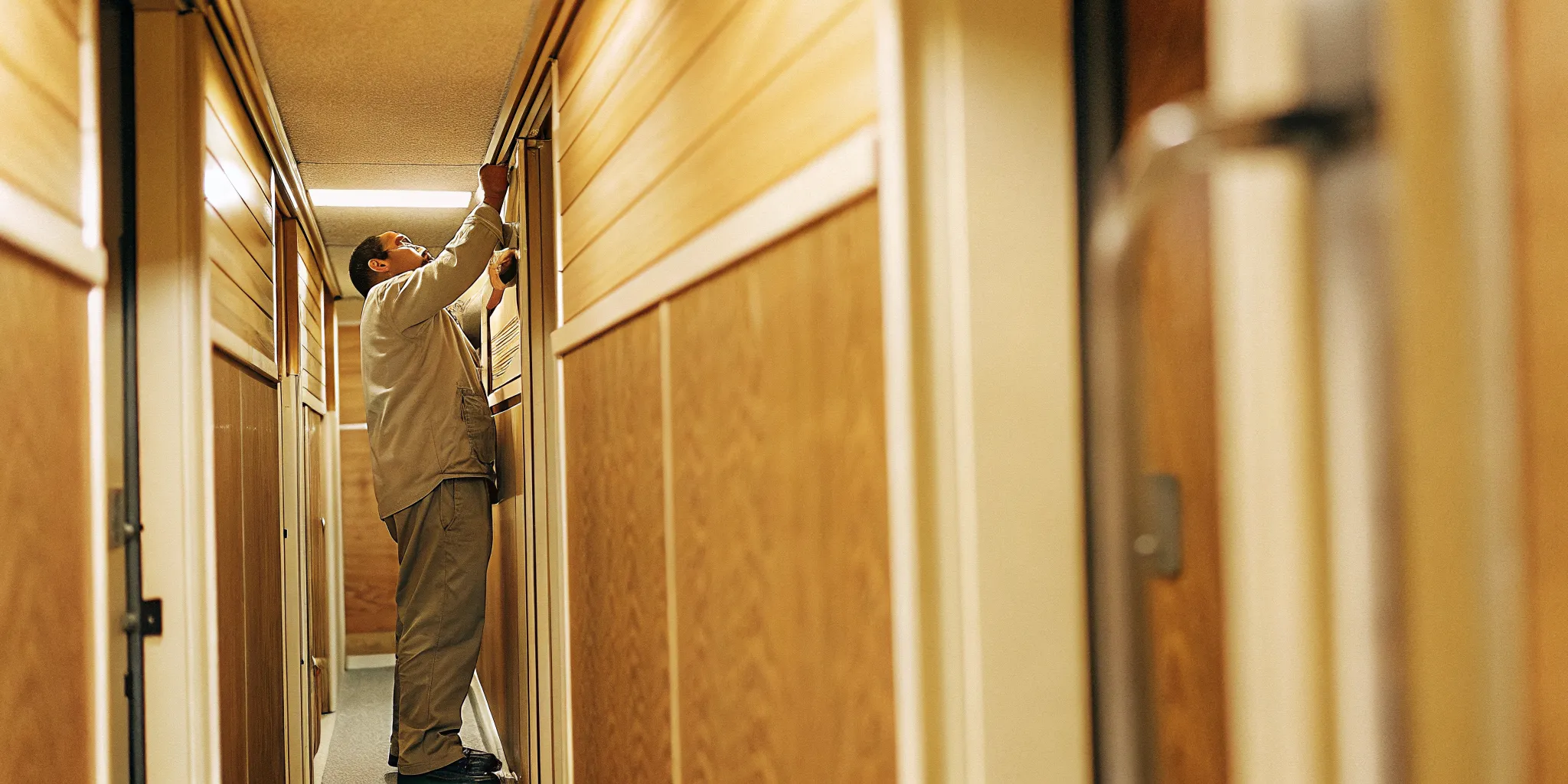
Fire door gasketing needs are a vital part of building safety. These parts help stop the spread of smoke, heat, and flames. Not all sealing products do the same job. Some are made to stop air flow. Others react only to high heat. Choosing the right parts helps you meet fire door gasketing and smoke seals rules. In New York, these rules often follow Local Law 47 of 2022. This law sets the bar for fire safety in many local buildings.
Perimeter gaskets and smoke seals
Perimeter seals go around the top and sides of a door. They are the first line of defense against smoke. Most fire deaths happen because of smoke, not heat. This makes smoke seals very important. These seals attach to the door frame to block gaps. When you use them, you help the door meet fire door smoke seal requirements. They are a core part of any safe door set.
A door with these seals often gets an “S” label. This label shows the door is good at stopping smoke. To get this, the door must pass the UL 1784 test. This test looks at how much air leaks through the door at both low and high heat. Some sites have even tougher rules. For example, some states have high smoke safety standards for healthcare rooms. These rules keep weak people safe during a crisis.
Automatic door bottoms
The gap at the bottom of a door is a big risk. Smoke can easily flow through this space. A door bottom seal fills this gap. But a fixed seal can scrape the floor and break over time. An automatic door bottom is a better tool. It uses a hidden spring to drop the seal only when the door shuts. This keeps the seal from wearing out while the door moves. It also keeps the floor clean.
These seals do more than stop smoke. They also block sound and light. This makes them great for hotels and offices. For fire doors, you must pick a seal that can take the heat. You should also focus on checking fire door gaskets. If the seal fails, the whole door is at risk. Checking these parts once a year is a smart move for any building owner.
Intumescent fire seals
Intumescent seals work in a unique way. They stay quiet at room heat. But when they get very hot, they expand. They can grow up to ten times their size. This growth fills the gaps around the door with a thick char. This char blocks both fire and heat for a set time. These seals are often needed for doors with a fire rating of 45 minutes or more. They are a must for high-risk areas.
You can use these seals with smoke gaskets. While smoke gaskets stop air, intumescent seals stop the fire itself. This two-part system gives you the best safety. Some doors have these seals built into the frame. Others have them on the door edge. Always check your door’s fire rating before you buy. This ensures you get the right level of safety for your site.
| Product Type | Main Role | Code Standard | Best Use |
|---|---|---|---|
| Perimeter Gasket | Blocks smoke leaks | UL 1784 | Most fire doors |
| Door Bottom | Seals floor gap | S Label | Smoke barriers |
| Intumescent | Blocks fire spread | UL 10C | 45+ Min ratings |
| Smoke Seal | Stops air flow | NFPA 105 | Hallway doors |
Why do labels and listings control the answer?
Labels on fire doors and frames are the main source of truth for safety. They do more than show a time rating like 90 minutes. These labels list the exact rules you must follow to keep the door’s safety rating. If a label says a door needs exact seals, you must use them. If you skip a seal or use a part that does not fit, the door may fail during a fire. This makes labels the final word on how to meet fire door gasketing requirements.
What the S-label means
The “S” label is a mark you will find on many fire rating tags. It shows that the door assembly meets smoke and draft control rules. This label is not a sure thing for every door. It only counts when you install listed seals on the door. Many building codes now need these seals to stop smoke from moving through a hallway. At the 20-minute rating level, smoke seals are almost always needed to keep people safe.
Smoke is a top cause of harm in building fires. This is why smoke gaskets are often needed for doors in smoke walls and large assembly areas. These seals block the path of toxic gas and keep exit routes clear. For example, state health codes often mandate these smoke seals for doors in assisted living facilities. Using the S-label helps you find doors that can handle these high safety needs. Without the right seals, even a strong steel door cannot stop the spread of smoke.
Testing for air leakage
To get an S-label, a door must pass the UL 1784 test. This test checks how much air can leak through the gaps around a door. Testing happens at room heat and at high heat to make sure the seals work under stress. This ensures that the door will stay tight even as a fire gets hotter. It is a vital step for any door used in a smoke-rated wall.
Standard building codes set strict limits on air leakage. The limit is 3.0 cubic feet per minute per square foot of the door opening. This is measured at a set air pressure of 0.10 inch water. These tests make sure that the seals will hold back gas during a fire. If a seal fails this test, it cannot be used for smoke and draft control. Following these rules is the only way to ensure a door is truly ready for a fire.
Why the full assembly matters
A fire door is more than just a piece of steel. It is a full assembly that has the frame, the hinges, and the seals. For a door to meet codes, the whole assembly must be checked as one unit. You cannot just add any seal to a fire door and hope it works. Any seal you use must be listed to rules like UL 10C or NFPA 252. You can read our guide on fire door hardware to learn more about parts that fit.
Expert setup is just as vital as the parts themselves. If a seal is not put on right, it will not block smoke as it should. Using parts that are not listed for that exact assembly can void the fire rating. This leads to safety risks and can result in building code fines. To avoid these issues, always check your smoke door requirements before you buy any parts. Proper labels and listings ensure every part works together to save lives.
What changes for smoke-control assemblies?
Blocking air flow
Smoke-control doors have one main goal: to stop the spread of smoke and toxic gas. In a fire, smoke often kills more people than the heat or flames. While a fire-rated door blocks the fire itself, a smoke door must also seal tightly against air. This is where fire door gasketing and smoke seals become vital. These parts fill the gaps between the door and its frame to keep air from moving through.
The International Building Code (IBC) sets a strict limit for air leakage. The rate must stay under 3.0 cubic feet per minute per square foot of door space. To prove they meet this mark, door systems go through the UL 1784 test. This test checks how well the door seals at both room temperature and high heat. If a door passes, it gets an “S” label on its fire tag. This mark tells you the door is ready for smoke and draft control.
The need for a full seal
For a door to block smoke well, the gasketing must be continuous. This means the seal should have no breaks along the top and sides of the door. Even a small gap can let enough smoke through to cause harm. While standard fire doors may not always need a full seal, smoke-rated ones do. At the 20-minute fire-rating level, fire door smoke seal requirements usually need these gaskets. They help keep safety in hallways and exit paths where people need clear air to escape.
Seals must also fit the door and frame well. If they are too thick, the door might not close or latch right. This is why you should pick seals early in the design phase. You need to make sure the gaskets work with the other hardware on the door. Using the wrong seal can void the fire rating or make the door hard to use. Pro help is key to picking the best fit for your building.
Where code rules apply
You will often find smoke doors in smoke barriers and area openings. They are common in hospitals, schools, and high-rise buildings. In these places, the code needs doors to limit smoke spread to keep paths safe. For example, a door between a resident room and a hall in a care facility must resist smoke. These rules help protect people who may move slowly or need help to get out during a fire.
Regular checks are a must for these doors. Over time, gaskets can wear down or get torn. A damaged seal will not stop smoke as it should. Building owners must keep up with maintaining fire door gaskets to stay in line with the law. Simple checks can find small issues before they lead to big safety risks. Keeping seals in good shape is a cheap way to save lives.
How should gasketing be checked during an inspection?
A regular fire door check helps keep your building safe. You must check that the gasket meets the fire door gasketing and smoke seals rules. Each part of the door set needs to work with the others to block smoke and flames. Pros should look at each part of the system to find small gaps or wear that could lead to a fail.
Review labels and seals
Start by looking at the fire rating tag on the door. If the tag has an “S” label, the door must have a gasket to meet smoke and draft rules. You should check that the seal is not painted over or cut. Every seal must follow UL 1784 rules to make sure it can stop air from leaking through the frame during a fire.
Check the door edge
The seal must run all the way around the door. Check for any missing pieces or spots where the gasket has come loose. If the seal is not one long piece, it may not meet maintaining fire door gaskets rules. Smoke can pass through even a small gap. The gasket must press firm against the door frame when the door is shut.
Gasketing inspection steps
- Check the “S” label on the door tag to see if smoke seals are needed.
- Look for damage like tears, dry rot, or hard spots on the gasket.
- Make sure the gasket is one long piece with no breaks at the corners.
- Check that the door bottom seal or sweep fills the gap at the floor.
- Check that any field changes to the door have not hurt the seal fit.
- Test the door to see if it shuts and latches without the gasket in the way.
- Write down what you find in a log to show your building follows the fire code.
Test closing and latching
A door that does not latch will not stay shut during a fire. A thick gasket can stop the door from closing all the way. You should test the door to make sure it latches on its own from any spot. This is a big part of the 2022 Fire Code in NYC. This code asks for self-closing doors to keep people safe. If the door bounces back, you may need to fix the gasket or the closer.
Look for damage and changes
Look for any changes made to the door on the job site. New locks or signs can make holes that smoke could leak through. Also, look for wear from daily use. A worn gasket cannot keep air leaks below the limit of 3.0 cubic feet per minute per square foot. This is a set rule in the code. If you find a torn seal, you should get a new part that matches the fire tag.
If an inspection finds damaged, missing, hardened, or incompatible seals, arrange prompt fire door repair in NYC before the opening is returned to service.
When should fire door seals be replaced?
Fire door seals are vital for safety. They stop smoke and flames from moving through a building. Over time, these seals can wear out or break. You must check them often to keep your building safe. If a seal fails, the door may not meet fire door gasketing requirements set by local laws.
Visible damage and wear
You should look for clear signs of damage on the seals. Tears or cuts in the material are a big problem. If a seal has missing parts, it cannot do its job. Also, look for seals that have lost their shape. This is a common issue. When this happens, the seal does not bounce back to fill the gap. This allows smoke to leak through the opening.
The seal must stick well to the door frame. If the seal is peeling away, you must replace it. A loose seal can get caught in the door or fall off. This leaves the door open to smoke. Building codes like the NYC 2022 Fire Code require these parts to stay in top shape to limit the spread of fire.
Mechanical and latching issues
A seal should not stop a door from working. If the seal is too thick, the door may not close or latch on its own. Fire doors must close by themselves to work during a fire. If a seal stops this, it is a safety risk. You may need a different type of seal that fits better. Help is often needed for maintaining fire door gaskets and making sure they work with the door parts.
You must also check for changes that are not allowed. If a seal is painted or has tape on it, it may fail. Paint can make the seal stiff. This stops it from sealing the gap during a fire. Some seals are made to grow when they get hot. Paint can stop this from happening. If you see paint on your seals, you should replace them with new, clean parts.
Compatibility and listing
Every part of a fire door must be listed and labeled. This includes the seals. If you find a seal that is not on the list for that door, you must swap it out. Using parts that are not on the list can ruin the fire rating of the whole door. This puts people at risk and can lead to fines from fire inspectors.
Seals must also match the fire rating of the door. A seal made for a 20 minute door may not work for a 3 hour door. Doors with high ratings often need seals that grow in heat. Always check the labels to make sure your fire door smoke seal requirements are met. Using the right parts is the only way to follow safety rules.
What should NYC property teams do next?
Managing a building in New York City needs constant focus on fire safety codes. The 2022 Fire Code (Local Law 47 of 2022) sets strict rules for how doors must block fire and smoke. Property teams must check that every opening meets these rules to stay safe and avoid fines. Following a clear plan can help you find and fix gaps before they become major risks.
Check door labels and assembly types
Start by looking at the labels on your fire doors. These tags show the fire rating and test standards. Look for the “S” label, which shows the door meets smoke and draft control rules. You should also find the use for each door. Doors in smoke barriers or resident rooms often have special gasket needs. Knowing the rating helps you pick the right seals, as 20-minute doors have different needs than 3-hour types.
Inspect seals and gasket operation
Walk through your property and check the state of all gaskets. Look for gaps, tears, or missing parts in the smoke seals. Fire doors without proper gasketing and smoke seals do not meet modern codes. Test the door to see if it still closes and latches on its own. Gaskets must not stop the door from closing. If you find worn seals, replace them with parts that meet UL 10C or NFPA 252 standards.
Document conditions and get expert help
Keep a clear log of your door checks and any work you do. Logging how you are maintaining fire door gaskets helps during building audits. Since code rules are hard to follow, you may need a pro to check your products. A skilled team can make sure seals work well in a real fire. Experts can also help you add the right gasket to new door plans early to avoid fit issues later.
Frequently Asked Questions
Are intumescent seals required for all fire door ratings?
Intumescent seals are not always needed for every fire-rated door. For doors with a 20-minute rating, these seals are often not needed by law. However, higher fire ratings like 45 or 90 minutes often need these parts to block heat. According to Universal Fireproof Door, these seals expand when hot to fill gaps. Always check the label on your door to see if your unit needs these seals to keep its safety rating.
Does fire door gasketing have to be continuous if not required by code?
If the building code does not need gasketing for a door, the seals do not need to be continuous. However, if you choose to put them in, the parts must still be listed to safety rules like NFPA 252. This ensures the seals do not catch fire or fail in a way that puts lives at risk. According to Universal Fireproof Door, any gasket used on a fire door must fit the door’s rating to keep the building safe.
How does an intumescent seal differ from a smoke gasket?
Intumescent seals and smoke gaskets serve two different roles in fire safety. A smoke gasket stops air and toxic gas from moving around the door at room heat. An intumescent seal is made of parts that grow much larger when they get very hot. This helps fill the gaps around a door to block flames and high heat during a fire. According to Universal Fireproof Door, many modern fire doors use both types to meet the highest safety and code standards.
When must smoke gaskets be installed on fire doors?
Smoke gaskets are often needed for doors in smoke walls and large room openings. You will see these gaskets on 20-minute fire doors and doors in hospitals or schools. These seals ensure the door unit stays tight to keep toxic gas out of exit paths. According to the International Building Code, these doors must limit air flow to under 3.0 cubic feet per minute. Using these seals is vital for keeping escape routes clear during a building fire.
Ready to request a fire door compliance assessment?
Poor seals and gaps in your fire doors lead to failed safety checks and big risks for your site. If you wait to fix these gaps, you may face heavy fines or building shutdowns from city teams. Putting off these needs also puts your tenants and staff in danger during a fire event. It is best to act now to stay within the law and keep your building safe for everyone. When you start your update today, you get a head start on code rules and avoid the rush of late repairs. This helps you save money and time while making sure your building meets all fire door hardware requirements. Do not let small seal issues turn into large legal headaches for your local business.
Ready to request a fire door compliance assessment? Contact our team today to request a fire door compliance assessment.