
A sagging fire door that drags on the floor is a major safety risk in any large building. These steel units rely on high-grade hinges to stay square. If hardware fails, the door cannot latch as intended.
Need a qualified assessment? Request a fire door inspection in NYC before a hinge problem affects closing or latching.
Fire door hinge requirements help a safety door swing, close, and latch correctly. The right configuration depends on the listed opening, door dimensions and weight, hinge type, manufacturer instructions, adopted code, and authority having jurisdiction. Hardware must be suitable for the specific application. Check hinges regularly for sagging, looseness, damage, or other wear that can affect operation.
Learning about hardware details can be hard for building owners. We have made a quick guide to help you find the right parts. Our look at fire door hinge requirements at a glance shows you exactly what to check. The path begins with a careful review of the complete opening, not the hinge alone.
Fire door hinge requirements at a glance
Hinges do more than just hold a door in place. In a fire, they are part of a safety system that stops heat and smoke from spreading. Fire door parts rely on listed hardware, like hinges, to keep their fire rating. To stay safe, you must follow the fire door hardware requirements set by the code and the maker of your door. If a hinge fails during a fire, the door might sag. This lets flames and smoke get through the gaps.
Core hinge standards
Most fire door hinges must be made of steel. They also need to be a ball-bearing type to work well under high heat. These hinges help the door open and close without sticking. You can find these rules in design standards that keep buildings safe. Hinges on these doors must also be hard to remove. They often have pins that stay in place. This prevents someone from taking the door off its frame. These steps are vital for fire doors.
Spring hinges are also a common choice. These hinges help a door close on its own. This is a must for fire doors since they must stay shut and latched to work. You can use spring hinges if they are listed for fire door use. It is best to check the maker’s list to see which hinges fit your door. Not all spring hinges work for fire use.
Hinge count and size
The height of the door tells you how many hinges you need. Do not choose hinge quantity from door height alone. Confirm the opening listing, manufacturer instructions, door dimensions and weight, hardware type, and the requirements adopted for the project. This helps support the weight of the door. It also keeps the door from warping in a fire. Proper spacing is key to meeting life safety rules and code.
| Feature | Ball-Bearing Hinges | Spring Hinges |
|---|---|---|
| Main Use | Smooth daily use | Auto-close function |
| Material | Heavy-duty steel | Steel with a spring |
| Usual Count | Per listed opening | Per listed opening |
| Fire Safety | Heat tough design | Listed for fire use |
How to use this comparison
The table summarizes common hinge characteristics. Always verify the listed opening and manufacturer instructions before selecting hardware.
Proper care and checks
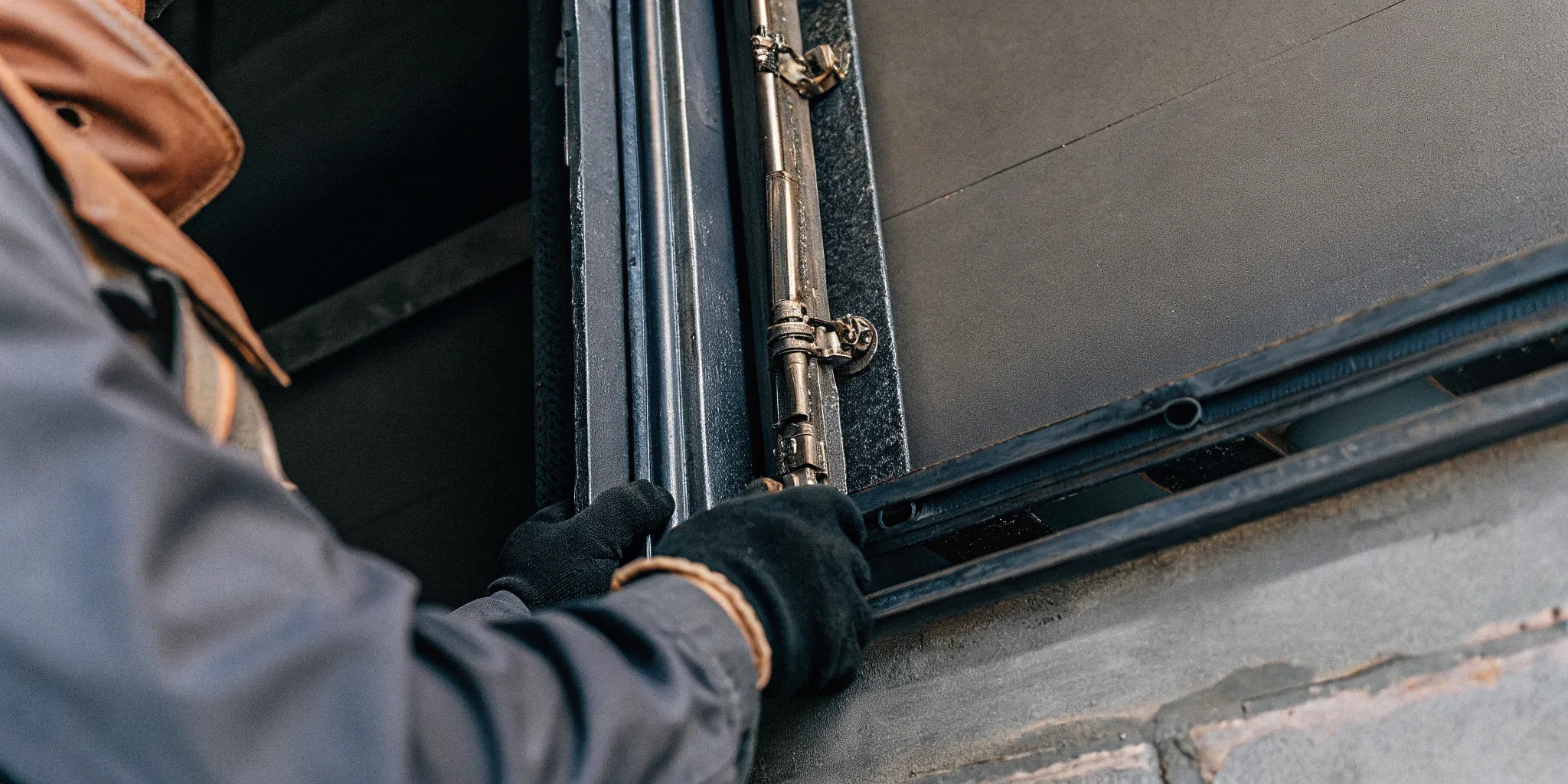
You must check your hinges often to keep your door in good shape. Look for signs of wear like sagging or sticking. If a door does not latch, the hinges might be out of line. Small gaps on the hinge side must stay within set limits. Do not paint over hinges. Also, do not add parts that are not on the maker’s list. Using parts that are not listed will void the fire rating of your door. If you find a bad hinge, replace it with a part that matches the first specs.
Staying safe means doing tests often. Tighten any loose screws to stop the door from sagging. But do not turn them too hard. Doing so can cause the door to bind. It is also good to check that the door still clears the floor and frame. These simple steps help ensure that your fire door works when you need it.
Which hinge types work on fire-rated doors?
Choosing the right hardware is a key part of fire safety. Fire door sets rely on listed hardware to keep their fire rating during a blaze. To meet fire door hardware requirements, your hinges must be made of steel. They should also be the ball-bearing type unless the door list says else. These parts help the door swing and close tight when needed.
Common hinge styles for fire doors
Butt hinges are the most common choice for steel fire doors. These hinges have two leaves that meet at a center pin. For high-traffic spots, long hinges are often used. These run the full height of the door and help spread out the weight. This style can stop sagging and keep the door lined up over time. You might also find pivot hinges on some heavy doors. These fix to the floor and the top of the frame to carry the load.
No matter the style, the hinges must be of the right size and weight rating. They should support the weight and height of your fire door. For safety, hinges should not be easy to take off. They should have studs to stop people from moving the door. If a hinge is hurt, you must use a fire door installation pro. They can replace it with a part that matches the first specs.
Rules for hinge count and gaps
The height of your door shows how many hinges you need. The required hinge count depends on the listed opening and approved hardware configuration. Door height, width, weight, use, and manufacturer instructions all affect the decision. Good spacing is a core part of fire door assembly design and stops the door from stuck spots. This helps the door keep the right gaps for smoke and fire control.
Regular checks are key to keep these systems working. You should look for wear or sag during your fire door inspection each year. Loose screws can lead to a sagging door. Tight screws might cause it to stick. You must not change or shim a hinge in a way that hurts how the door works. Good alignment is needed so the door can latch with the right force and stay fire-tight.
How are hinge quantity and spacing determined?
Pros do not guess when they look at fire door hinge requirements. The count of hinges and where they go come from strict safety rules. To keep a fire rating good, every part of the door must work together. This stops the door from sagging or bending when things get hot. If a door moves out of place, it might not close or latch during a fire.
Door height and weight
First, measure the real door. Start with the hinge count required for the listed opening, rather than applying a universal height formula. Height is only one part. You must also think about how heavy and wide the door is. Heavy doors or those that people use a lot often need more help to stop wear over time.
Using the right fire door hardware requirements makes sure the hinges can hold the load for years. A taller or heavier door may need additional support, but the final configuration must follow the specific listing and manufacturer instructions. Proper support helps the door remain aligned and close reliably.
Listed rules
Every fire door is part of a tested set. This means the hinges you use must match the rules from the testing lab. These rules are in the door’s listing. You cannot just pick any hinge or change the count without checking these papers first. The design standards for these sets are very clear. They make sure the doors work right when there is a fire.
Hinges must be made of steel and have ball bearings. This helps them handle the weight and the way fire-rated doors move. If the rules for a door ask for more hinges than the standard code, you must follow those rules. Good fire door installation always starts with a look at the tag on the edge of the door. This tag tells you what the door needs to stay safe.
Hinge spots
Once you know the count, you must find where to put them. The standard way to set fire door hinge requirements uses exact gaps from the top and bottom of the door. This layout makes sure the door stays steady and does not rub against the frame. If the door rubs, it might not shut all the way.
- Measure five inches down from the top of the door to find the spot for the top hinge.
- Measure ten inches up from the floor to find the spot for the bottom hinge.
- Find the space left between the top and bottom hinges and split it into equal parts for the other hinges.
- Check the guide that came with the door to see if it needs a different plan for very wide or heavy doors.
- Make sure the frame has holes in the exact same spots so you do not have to use extra metal bits to make it fit.
- Check that the hinges you pick follow the rules for the building type and its fire wall rating.
- Test the door to make sure it swings free and does not bind at any of the hinge spots.
Keeping these spots exact is key for the door to shut and lock every time. If hinges are in the wrong place, the door might sag and fail a gap check. This can let smoke and flames pass through to other parts of the building.
For compatible parts and precise installation, request NYC door hardware installation service from Universal Fireproof Door.
Why listed hardware and compatible components matter
A fire door is evaluated as a complete opening, not as a collection of interchangeable parts. The door, frame, hinges, fasteners, closer, latch, glazing, and other hardware must work together as intended. A hinge that physically fits may still be inappropriate if it conflicts with the opening’s listing, manufacturer instructions, or approved application.
Verify before installing
Before replacing or modifying hinges, document the labels on the door and frame, the existing hinge type, fastener locations, door dimensions, and any visible manufacturer information. That record helps a qualified professional select compatible hardware and avoid unnecessary field modifications.
Fasteners deserve the same attention as the hinge itself. Missing, loose, shortened, or mismatched screws can allow movement that causes sagging, binding, or unreliable closing. Improvised drilling, filling, welding, or reinforcement can also affect the assembly and should not be performed without confirming an accepted method.
For professional selection and installation, use an experienced provider of NYC door hardware installation service. The goal is not simply to make the leaf swing. The completed opening should close, latch, and operate correctly while preserving the documented fire-door assembly.
Hinge warning signs found during inspection
A fire door only works as well as its hardware. During a fire door inspection in NYC, the hinge side is a key area for safety checks. Small issues like a loose screw or a slight sag can stop a door from latching during a fire. You must look for clear signs of wear to ensure the door meets code. Catching these warning signs early keeps your building safe and helps you pass life safety tests.
Visible hardware damage
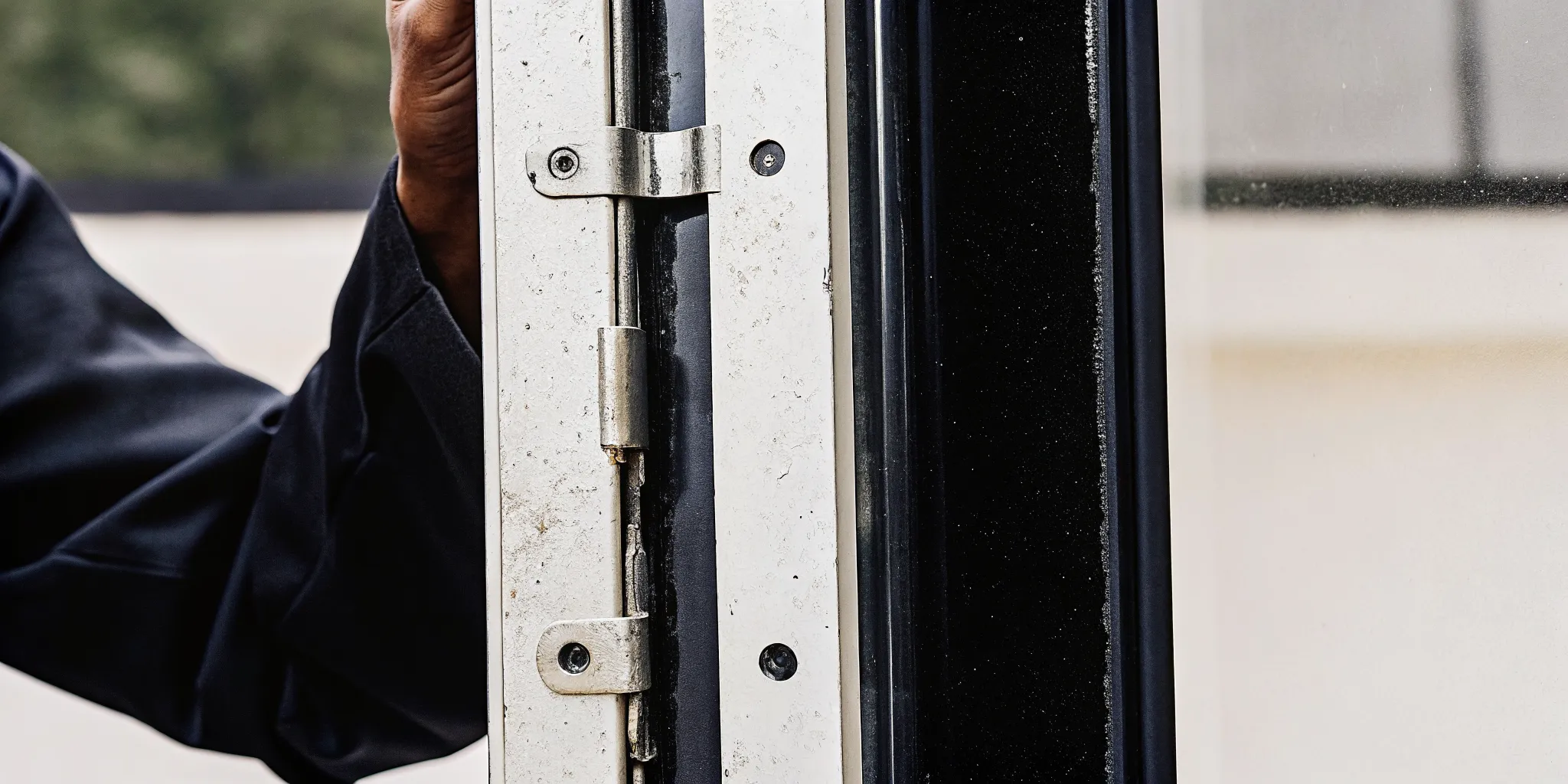
Start your check by looking at the hinges for physical damage. Look for missing or loose screws. Screws must be tight and fit the hinge leaf well. If a screw is loose, the door can sag and bind. Also, check for damaged hinge leaves. If a leaf is bent, it will not hold the door in its right place. Any field changes, like new holes or non-listed parts, are a big red flag. These changes can void the fire rating of the whole door assembly.
Excessive wear is another sign of trouble. Look for metal dust or shavings near the hinge pin. This means the parts are rubbing together and wearing down. If you see this, the hinge is near the end of its life. Hinges on fire doors must be made of steel or other tough metals to meet safety standards for heat. If a hinge is worn out, the door might not swing or close the way it should.
Sagging and binding issues
A door that sags is a major safety risk. Sagging often happens because of worn hinges or loose fasteners. If the door sags, the top latch might not line up with the strike plate. This stops the door from self-latching, which is a core part of egress door requirements in NYC. You can check for sag by looking at the gaps around the door. The gap at the top should be even from one side to the other.
Binding occurs when the door rubs against the frame or the floor. This can happen if the hinges are out of line or if the door has shifted. A binding door may not close all the way on its own. Since fire doors must be self-closing, any friction that stops this is a fail. Check that the door opens and closes with no effort. If it sticks or makes a loud sound, the hinges likely need care or a full swap.
Closing and latching problems
The final test is to see if the door closes and latches by itself. Open the door and let it go. It must swing shut and the latch must engage the frame. If the door stops just short of the frame, the hinges may not be set right. On doors with spring hinges, the tension might be too low. You can find more on how to fix this in our guide on door hardware installation services. A door that does not latch will let smoke and fire through during an emergency.
If the door fails to latch, check the hinge alignment one more time. Even a small shift can throw off the latch. Proper life safety rules state that doors must latch to stop the spread of fire. If your door fails this test, you must fix it right away. Keeping these parts in good shape is a simple way to stay in line with city fire codes. Do not wait for a formal check to fix these vital safety parts.
If inspection finds sagging, binding, or damaged hardware, contact Universal Fireproof Door for hinge repair or replacement guidance.
When should a fire door hinge be repaired or replaced?
Signs your hinge needs a fix
Check your hinges often to find small issues before they become big risks. If a door sags or rubs against the frame, the hinges may be loose or out of line. You can often fix this by turning the screws or making small shifts to the door. Proper care helps you meet fire door hinge requirements and keeps the door safe.
Look for surface rust or dirt that makes the door hard to move. You can clean and oil most hinges to keep them smooth and quiet. But you must use the right oil that the door maker suggests. If the hinge still sticks after cleaning, a pro should look at it. Small fixes like these can save you money and keep your building safe for everyone.
Never try to bend a hinge back into shape if it is warped. This can weaken the metal and make it fail when heat hits it. If a hinge does not sit flat against the door or frame, it is likely too worn to fix. Simple shifts are fine, but major changes to the metal are not safe. A pro will know if a fix is still within code limits.
When a full swap is the only choice
Sometimes a quick fix is not enough to keep a door safe for use. If a hinge is bent, cracked, or has deep rust, you must replace it right away. Damaged hinges can fail in a fire and let heat or smoke through the gaps. Following life safety rules means you cannot use broken parts on a fire door.
You also need new hinges if the ball bearings or pins are worn out. If you see metal dust or dark oil leaks near the hinge, the inside parts are gone. Worn hinges will not hold the heavy weight of a fire door for long. This can lead to a door that does not close or latch on its own. In these cases, a full swap is the only way to stay in code.
Watch for holes that have become too large for the screws. If the wood or steel around the hinge is torn, a new hinge may not help on its own. You might need to repair the frame or the door as well. A hinge must have a solid grip to hold the door in place during a fire. If the grip is gone, the whole part is a safety risk.
Keep the fire rating intact
Each part of a fire door must be listed and tested as one unit. If you swap a hinge, the new one must match the first specs exactly. Do not use a home-grade hinge on a commercial fire door. A pro can help you find the right commercial hollow metal door parts that fit your needs. This keeps your fire rating valid and your people safe.
Keep a clear log of all repairs and swaps for your fire doors. Fire marshals and checkers will want to see these notes during a check. If you use parts that are not listed for fire use, you might get a heavy fine. Working with a skilled team ensures that your hinges meet all local and state codes. This gives you peace of mind and keeps your building at its best.
Do not paint over hinges or their labels. Paint can gum up the moving parts and hide signs of wear or damage. It can also make it hard to see if the part is listed for fire use. If your hinges are caked in paint, they may need to be cleaned or replaced. Clean, clear hardware is a key part of a safe and compliant fire door system.
A practical approach to compliant hinge work
Check labels and maker facts
Start by looking at the door and its frame to find the metal labels on both parts. These tags tell you how long the door can hold back a fire and they list the firm that made the door. This step is vital to find the right fire door hinge requirements for your exact set. If labels are painted over or gone, you should stop and get help from a pro. You cannot guess when it comes to fire safety in a big city like NYC. Take clear photos of the doorway and the current hinges while noting any gaps or signs of wear. These facts help you pick the best parts for the job.
Each door has its own rules for parts, so the labels you found will guide you to the maker’s list of safe gear. This list tells you the size, type, and weight of hinges you need for a safe door. Most fire doors use steel ball-bearing hinges to keep the door moving well over time. You must ensure the new hinges have a fire-rated stamp that proves the part can take high heat. Using a part that is not listed for fire doors is a major risk that can put lives in danger. Check the safety standards for your state to stay in line with the local code.
Install the hardware
Pick hinges that match the weight and height of the door and use heavy-duty steel to prevent sagging. Once you have the parts, start the work and use only the screws that come with the hinges. These screws are tested for fire use, so using the wrong screws can lead to a failure during a fire. Line up the hinges with care so the door sits flat and tight in the frame. Tighten the screws but do not overdo it, or the hinges will not hold. In NYC, a pro for fire door installation can ensure every step meets local laws and keeps your building safe.
Test the door use
The final step is to check your work by opening the door and letting it go. It must close and latch every single time because a fire door that stays open is useless in a fire. Check for smooth movement and ensure there are no squeaks or sticking. Check that the gaps around the door are small and even, as large gaps let smoke and heat pass through. If the door does not latch, check the hinge line up and make small changes. Never use shims that are not fire-rated for this work. Once the door works well, keep a log of the work to stay ready for NYC building checks.
Frequently asked questions about fire door hinges
How many hinges does a fire door need?
There is no safe universal answer based only on the words fire door. Quantity depends on the door’s height, weight, construction, listing, hinge type, manufacturer instructions, and applicable requirements. A qualified professional should document the opening and verify the correct configuration before changing hardware.
Can ordinary hinges be installed on a fire-rated door?
Do not assume that any hinge that fits is acceptable. Hardware must be suitable for the specific fire-rated opening and compatible with its listing and installation instructions. Verify the hinge, fasteners, preparation, and installation method before work begins.
Does a loose hinge mean the fire door must be replaced?
Not always. A professional may be able to correct a limited hardware issue using an accepted repair method. Replacement may be appropriate when the hinge, door, frame, preparation, or reinforcement is damaged beyond an acceptable repair. The full assembly should be evaluated first.
What hinge problems commonly appear during inspection?
Common warning signs include loose or missing fasteners, sagging, binding, unusual noise, worn bearings, damaged hinge leaves, unauthorized modifications, and failure to close and latch reliably. Schedule a fire door inspection in NYC when these conditions appear.
Get professional help with your fire door hinges
Fire door hinge work should preserve the performance of the complete opening, not merely restore movement. Universal Fireproof Door can inspect your existing assembly, identify hinge-side problems, and recommend appropriate hardware service for your New York property.
Call (347) 458-3542 to request professional fire door hinge service.