
Fire Rated Vision Lite Door: Glass Kits, Ratings and Where They Are Allowed
A fire rated vision lite door gives a rated hollow metal door a clear viewing panel without giving up the life safety purpose of the opening. The catch is that the door, frame, glass, lite kit, hardware and field preparation all have to work together as one listed assembly. If one part is wrong, the door may look finished but fail inspection.
Need a code-compliant fire rated vision lite door in New York City? Universal Fire Doors manufactures custom hollow metal doors prepared for rated lite kits, fire-rated hardware and project-specific openings.
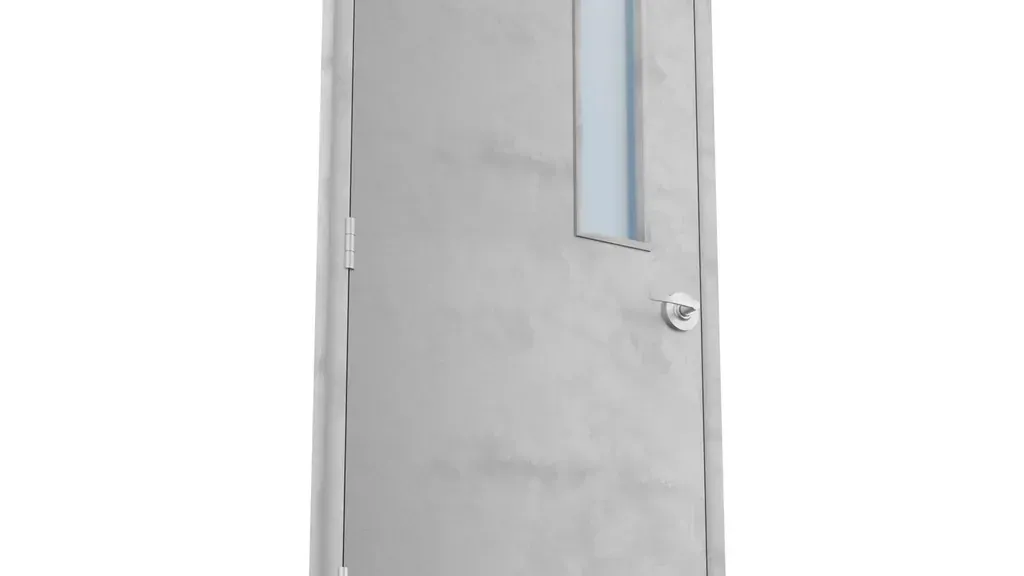
Vision lites are common in schools, hospitals, corridors, stair doors, offices and commercial tenant spaces because they improve visibility, security and traffic flow. They are also one of the easiest fire door details to get wrong. The right glass size for a 20 minute corridor door may not be allowed on a 90 minute stair enclosure. A clear panel that works in a non-rated aluminum storefront door may not be acceptable in a labeled fire door. A glass kit installed after the fact may void the label if the modification is not approved.
This guide explains what a vision lite is, how listed fire-rated glass kits preserve the door rating, where visibility panels are commonly used and what buyers should verify before ordering a custom door.
What is a fire rated vision lite door?
A fire rated vision lite door is a fire-rated door assembly with a glass viewing panel installed in the door leaf. The glass panel is usually called a vision lite, vision light, view window or lite kit. In commercial work, the lite is typically held by a metal frame kit that clamps or fastens the rated glass into a prepared cutout.
The important phrase is door assembly. A fire door rating is not based on the door slab alone. It depends on the labeled door, labeled frame, hinges, closer, latch, seals, glazing, lite frame and any other required components. For more background on complete assemblies, see Universal Fire Doors' guide to what a fire door is and how it works.
A rated vision lite can help building teams solve practical problems:
- Allow staff to see through a door before opening it.
- Reduce collisions in busy corridors.
- Improve supervision in school, healthcare and institutional spaces.
- Bring borrowed light into interior rooms or corridors.
- Support security checks without propping doors open.
None of those benefits matter if the lite is not permitted for the door's rating, wall type and location. The glass cannot be treated like a simple window. It has to be specified as part of a tested and labeled fire door opening.
How listed glass kits preserve fire ratings
A listed lite kit preserves a fire rating by using tested components in a tested configuration. The kit usually includes a metal vision frame, rated glazing, glazing tape or gasket material, fasteners and installation instructions. The door must be prepared to the correct cutout size, and the exposed glass area must stay within the limits of the listing and the applicable code.
Common standards and labels associated with fire door glazing include UL 10B, UL 10C, NFPA 252 and NFPA 257, depending on the component and test method. In practical buying terms, the label matters more than the marketing language. The glass and frame should clearly state the fire rating, impact safety rating and intended use.
There are two broad categories of fire-rated glazing:
- Fire-protective glazing: This type helps stop flames and smoke for the rated duration, but it does not provide the same radiant heat control as fire-resistive glazing. It is often used for smaller door lites where allowed.
- Fire-resistive glazing: This type is designed to block flames, smoke and radiant heat transfer more like a rated wall assembly. It may be required for larger panels or higher-rated openings, depending on the application.
The difference is critical. Many buyers ask for a larger glass panel because it looks cleaner or gives better visibility. On some fire door openings, larger glass may require fire-resistive glazing and a tested assembly rather than a standard fire-protective lite kit.
Impact safety also matters. Door glass is in a hazardous impact location because people can strike it while walking, pushing carts or moving equipment. The glazing must meet the safety requirements for door use, not just the fire test. Traditional wired glass has a long history in older buildings, but modern replacements often require safer rated glazing products that meet current impact standards.
Which fire ratings can include a vision lite?
Fire rated vision lite doors can be used across several rating levels, but the allowable glass size and glazing type change as the rating increases. Universal Fire Doors manufactures fire-rated steel doors with common ratings including 20, 45, 60, 90 and 180 minutes, and the door preparation has to match the project requirement before fabrication.
As a general planning guide:
| Door rating | Common use | Vision lite planning note |
|---|---|---|
| 20 minutes | Some corridor and smoke partition openings | Glazing is often more flexible, but it still must be listed and labeled for door use. |
| 45 minutes | Corridor doors and certain room separations | Rated glass and listed lite kits are common when the assembly listing allows them. |
| 60 minutes | Some fire barriers, exit access and utility areas | Glass size limits become more important, especially when radiant heat control applies. |
| 90 minutes | Stairwells, shafts, higher-rated corridors and exit enclosures | Small lites may be permitted with listed products. Larger panels may require fire-resistive glazing. |
| 180 minutes | High-rated wall openings and specialized fire barriers | Vision panels are more restricted and must be verified carefully against the assembly listing. |
Do not order by the glass size alone. A 6 inch by 27 inch kit, a 12 inch by 12 inch kit and a half-lite door may all have different code implications even when every option is sold as fire-rated. The opening location, wall rating, door rating, glazing type and tested listing determine what is allowed.
For a broader rating overview, read Fire Door Ratings Explained.
Where are fire rated vision lite doors commonly allowed?
Vision lites are most common where people need visibility through a protected opening. The key is that the door must still match the rating required for that wall, corridor, shaft or room. Common applications include the following.
Schools and educational buildings
Schools often use vision panels in classroom doors, corridor doors, offices and administrative areas. Visibility helps staff supervise hallways, check room occupancy and reduce door swing collisions. In many educational settings, vision panels also support security protocols because staff can see who is outside before opening the door.
Universal Fire Doors already supports school door projects that require fire-rated self-closing doors, panic hardware and visibility panels. For school-specific planning, see Fire Rated Doors for Schools.
Hospitals and healthcare facilities
Healthcare buildings need controlled access, visibility and reliable compartmentation. Vision lites may appear in corridor doors, treatment areas, staff spaces and certain patient-care support areas. Hospitals also have more complex requirements for hardware, accessibility, cleaning, impact resistance and life safety coordination.
Because healthcare projects can involve smoke compartments, rated corridors and specialized rooms, the vision lite should be reviewed with the door schedule and project specifications. See Fire Rated Doors for Hospitals and Healthcare Facilities for more healthcare door considerations.
Commercial corridors and tenant spaces
Commercial buildings use vision lite doors in offices, service corridors, back-of-house areas, storage rooms and mixed-use tenant spaces. A small viewing panel can improve safety in a high-traffic corridor while still maintaining the required fire rating.
For retail, office and warehouse openings, the best approach is to coordinate the door rating, closer, latch, panic hardware, frame and glass kit at the same time. Universal Fire Doors can fabricate the hollow metal door with the proper reinforcement and prep rather than forcing a field crew to modify a labeled door later.
Stairwells and exit enclosures
Stair and exit enclosure doors are usually more restrictive because they protect the path of egress. Many of these openings require 60 or 90 minute assemblies, and glass size may be limited. If a stair door needs a vision lite, the safest buying approach is to verify the exact rating, visible glass area and glazing type before fabrication.
Exit doors also need the right hardware package. If the door is part of an egress route, review latching, panic hardware, closers, signage and accessibility requirements. Universal Fire Doors covers related hardware details in Fire Rated Door Hardware: What's Required and How to Choose.
What buyers should verify before ordering
Before ordering a fire rated vision lite door, confirm the details below. These checks prevent delays, failed inspections and expensive rework.
1. Required door rating
Start with the door schedule, approved plans or code review. Is the opening 20, 45, 60, 90 or 180 minutes? Do not assume the rating based on the old door. Existing buildings often contain unlabeled, modified or incorrectly replaced doors.
2. Wall and opening location
A corridor door, stair door, mechanical room door and smoke barrier door can have different requirements. The same lite kit may be acceptable in one location and rejected in another.
3. Glass type and visible glass area
Ask for the exposed glass size, not just the outside frame size. The visible glass area is what often matters for size limits. If the panel is larger than a small vision lite, ask whether fire-resistive glazing is required.
4. Listed frame and glass kit
The lite frame and glass should be listed for the door rating and door thickness. Most commercial hollow metal fire doors are 1-3/4 inches thick, but the specification should still be confirmed.
5. Door label and field modifications
Cutting a new glass opening into an existing labeled fire door can void the label unless it is done under approved procedures. When possible, order a new door manufactured and prepared for the lite from the start. That is cleaner, easier to document and more reliable at inspection.
6. Hardware compatibility
The lite cannot conflict with lock prep, exit device hardware, door closer arms, viewers, protection plates or signage. A custom manufacturer can coordinate the cutout and reinforcements around the full hardware set. For more on commercial door hardware, review Commercial Door Hardware Installation.
7. Finish, material and environment
Galvannealed steel, galvanized steel, stainless steel and standard hollow metal construction all serve different environments. Schools, hospitals, exterior openings and high-traffic corridors may need heavier gauges, protection plates or corrosion-resistant materials.
Can you add a vision lite to an existing fire door?
Sometimes, but it is not a simple yes. Adding a vision lite to an existing fire door means cutting into a labeled assembly. If the modification is not allowed by the door's listing, not performed by an authorized shop or not relabeled correctly, the door may lose its fire rating.
In many NYC commercial buildings, replacing the door with a new fire-rated hollow metal door prepared for the correct lite kit is the safer path. A new custom door can be built to the required size, gauge, core, rating, hinge locations, lock prep, closer reinforcement and lite cutout. It also avoids guessing whether an older door can legally be modified.
If the issue is broken or outdated glass in a non-rated or previously prepared commercial door, see Commercial Door Glass Replacement. If the opening is fire-rated, treat the glass replacement as a code item, not just a maintenance repair.
Why NYC projects need coordinated door fabrication
New York City buildings often combine tight timelines, older openings, active tenants and strict inspection requirements. A fire rated vision lite door is not just a product pulled from a shelf. It is a coordinated opening with exact dimensions, rating labels, code-compliant hardware and a finished look that fits the building.
Universal Fire Doors is built for that kind of work. The company manufactures custom steel and hollow metal doors in Brooklyn, supports fire ratings from 20 minutes to 3 hours, prepares doors for major hardware brands and serves contractors, property managers, schools, hospitals and commercial facilities across the NYC market.
Planning a rated door with a glass panel? Contact Universal Fire Doors for custom manufacturing, field measurement, hardware coordination and installation support.
Local manufacturing also helps when a project cannot wait weeks for a third-party supplier. Universal Fire Doors offers custom fabrication, no minimum order requirement and fast turnaround for many hollow metal door and frame projects. For urgent rated openings, that speed can be the difference between passing inspection and holding up a job.
Ordering checklist for a fire rated vision lite door
Use this checklist before requesting a quote:
- Opening width, height and wall condition
- Required fire rating: 20, 45, 60, 90 or 180 minutes
- Door material, gauge and core requirement
- Frame type and existing frame condition
- Desired lite size and visible glass area
- Required glazing type: fire-protective or fire-resistive
- Hardware set, including lock, latch, exit device, closer and hinges
- ADA, egress, panic hardware or facility-specific requirements
- Finish, paint, stainless or corrosion resistance needs
- Inspection, label and documentation requirements
The more complete the information, the easier it is to fabricate the right door the first time. If you do not have every detail, a site survey can help confirm the opening before production.
The bottom line
A fire rated vision lite door improves visibility while preserving the protection required in a rated opening. To get it right, buyers need more than a piece of glass. They need a listed glass kit, an approved glazing type, a properly prepared labeled door, compatible hardware and a manufacturer that understands where the door will be used.
For NYC contractors, property managers and facility teams, Universal Fire Doors provides a practical path from specification to installation. The team can manufacture custom hollow metal doors, prepare them for rated lite kits, coordinate code-compliant hardware and support the fast timelines common in New York City construction and repair work.
Ready to order a fire rated vision lite door? Request a quote from Universal Fire Doors and share your opening size, required rating, glass preference and hardware schedule.