
Doors do more than separate rooms. They set the tone for every showing, signal how well a property has been maintained, and directly influence what buyers are willing to pay. According to a 2022 Zillow study, homes with black front doors received offers noticeably higher than comparable homes without them. That single color choice on a single door moved the needle by thousands of dollars. The role of doors in property value extends well beyond aesthetics: security features, energy performance, and interior door consistency all shape buyer confidence and sale outcomes.
Here is what the research consistently shows:
- Entry doors are the focal point of curb appeal and the first element buyers react to in listing photos.
- Door color and style correlate with measurable differences in offer prices.
- Quality doors signal a well-maintained property, reducing buyer concerns about hidden defects.
- Upgraded doors help homes sell faster and hold asking price better than comparable listings.
- Both residential and commercial properties benefit from the functional and aesthetic cues doors communicate.
1. How door design and color drive buyer interest
The impact of doors on home value starts before a buyer ever steps inside. Real estate professionals consistently identify the front door as the focal point of a home’s exterior, and that prominence carries real financial weight.
Color is the most underestimated variable. The premium tied to black front doors, documented by Zillow, is not a fluke. It reflects how a bold, deliberate aesthetic choice signals confidence and modernity. Wood-grain doors are currently the trendiest option among industry professionals, driven by growing interest in biophilic design that blends natural materials with contemporary architecture.
Style consistency matters just as much as individual door choices. Mismatched doors throughout a property, some paneled, some flush, some stained, some painted white, create a disjointed impression that buyers register even when they cannot articulate why. Modern door styles that align with regional preferences, such as sliding doors in warm coastal markets or barn-style doors in urban lofts, improve salability and photograph well for listings.
Pro Tip: Before listing, look at your front door in a listing photo on your phone. If it reads as flat, dated, or forgettable, a fresh coat of paint in a bold color costs under $100 and can meaningfully shift buyer perception.
Regional preferences shape which door styles add the most value. Sliding glass doors dominate in warm climates where indoor-outdoor flow is a selling point. In tech-forward urban markets, smart lock integration on entry doors signals a modern, connected property. Knowing your market determines which upgrade earns its cost back.
2. Safety, energy efficiency, and what door quality tells buyers
A door’s physical quality communicates something buyers cannot always put into words: whether this property has been cared for. High-quality doors with reinforced frames and advanced locking systems signal security, and buyers consistently factor that into their willingness to pay a premium.
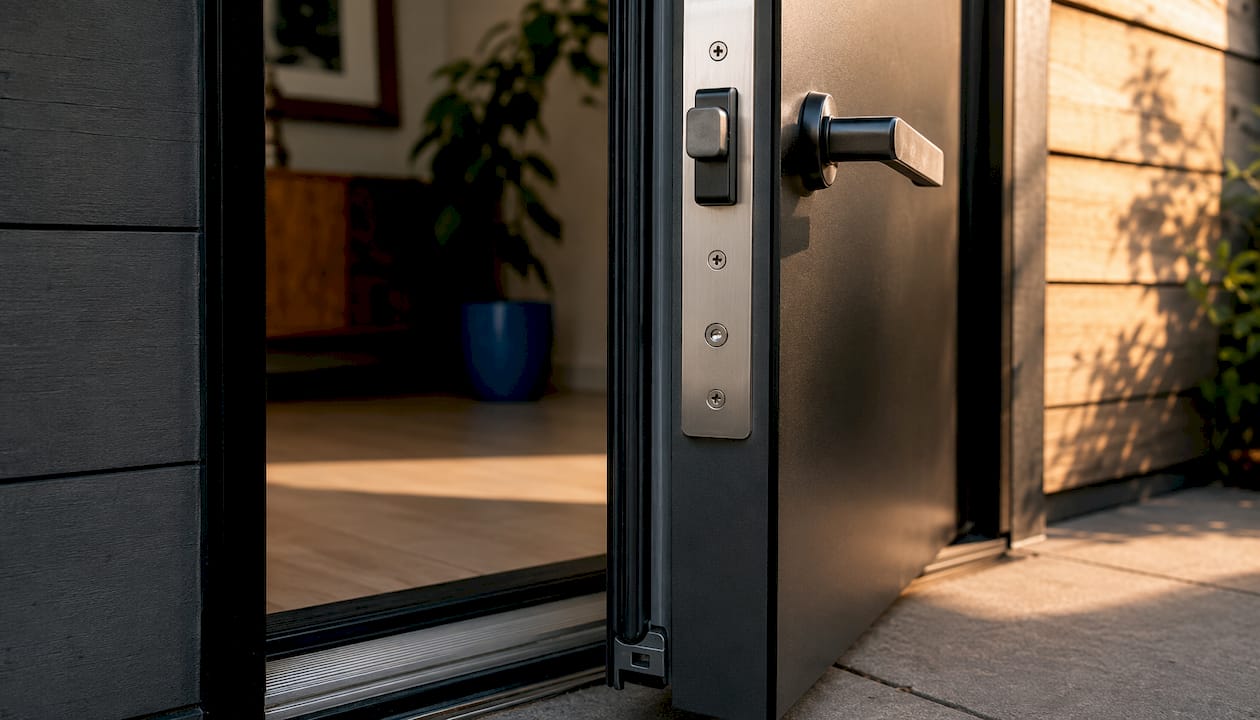
Energy efficiency is the other signal. Older doors leak air around frames and thresholds. Modern fiberglass and insulated steel doors reduce heat loss, improve indoor comfort, and support better energy ratings. Eco-conscious buyers, who now represent a growing share of the market, treat energy-efficient door materials as a genuine upgrade rather than a baseline expectation.
The maintenance signal is subtler but equally powerful. A door that sticks, rattles, or shows peeling finish raises an immediate question in a buyer’s mind: what else has been neglected? Conversely, a door that operates smoothly, seals tightly, and looks fresh tells buyers the property is move-in ready. That perception reduces negotiation leverage and shortens time on market.
Pro Tip: Address door weather stripping, hardware, and finish before listing. These fixes cost little but remove visible maintenance red flags that buyers and inspectors both document.
Interior doors carry the same logic. Solid-core doors improve sound insulation and convey permanence in a way hollow-core doors simply cannot. Buyers feel the difference the moment they open and close a door during a showing.
3. How door quality affects days on market and price negotiations
Doors rarely appear on an appraisal line item, but their effect on marketability is well-documented. They function as strategic assets that reduce days on market and prevent costly price reductions, even when they do not directly raise the appraised number.
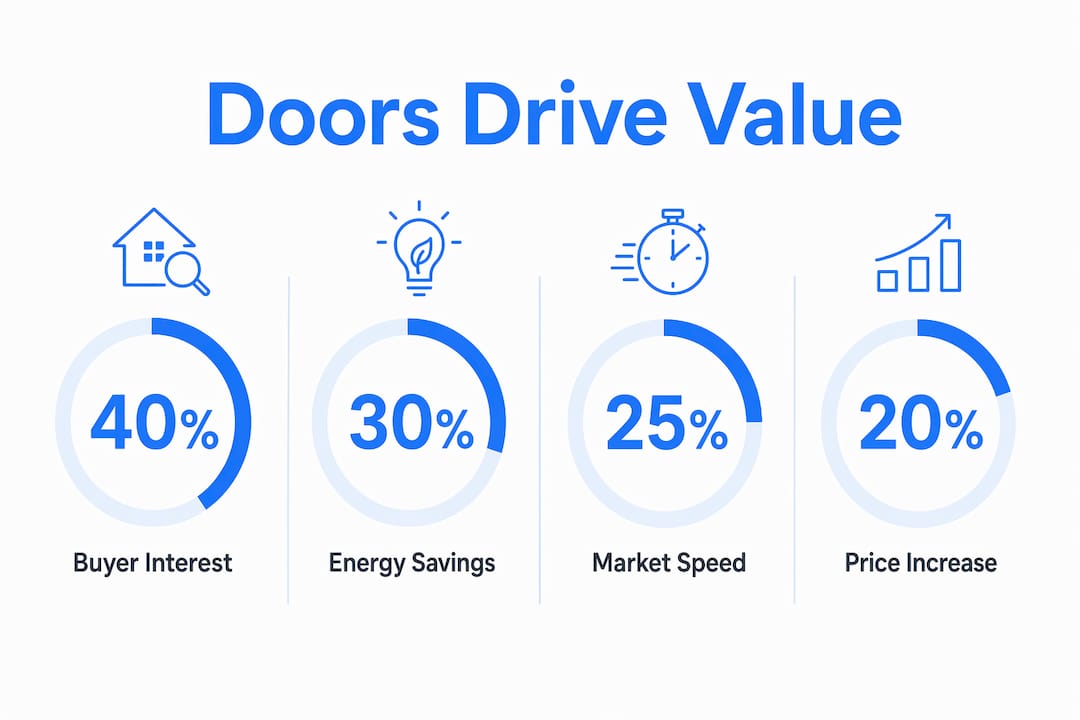
The ROI data is striking. A steel entry door replacement in the Miami market recouped a high percentage of project cost at resale, according to the 2025 Cost vs. Value Report. Zillow’s data puts a new front door at 186% ROI, with a $2,300 steel door generating roughly $4,280 at sale. Interior door replacements deliver a solid return on investment in added home value, plus indirect benefits from faster sales and fewer inspection concessions.
Door defects create a negotiation problem that sellers consistently underestimate. When buyers spot a damaged or failing door, they mentally inflate the repair cost well beyond what the fix actually requires. That inflated estimate becomes leverage in post-inspection negotiations, and the resulting price reduction almost always exceeds what the repair would have cost upfront.
Interior door consistency also affects how buyers perceive the whole property. Replacing outdated or damaged interior doors before listing removes ammunition from the buyer’s negotiation playbook and contributes to an overall impression of a well-maintained, move-in-ready home. Homes in better perceived condition sell faster than comparable properties showing deferred maintenance.
Commercial properties follow the same logic at a larger scale. Worn or non-compliant doors on a commercial building raise questions about code compliance, security, and operational readiness that can stall deals or reduce lease interest.
4. What Ufiredoors brings to door selection and property maintenance
Ufiredoors, operating as Universal Fireproof Door Co., Inc., has spent over 20 years manufacturing and installing fire-rated steel doors, frames, and commercial door hardware across New York. Every door is built locally using UL-approved materials, which means code compliance is built into the product rather than retrofitted after the fact.
For property owners focused on value, that matters in two ways. First, a UL-listed fire-rated steel door satisfies safety requirements that buyers and inspectors check, removing a common inspection flag. Second, the durability of steel construction means the door continues to signal quality and security years after installation, without the maintenance burden that wood doors require.
Fast lead times and emergency repair services mean that a door issue discovered before listing does not have to delay a sale. Ufiredoors can address damaged frames, failing hardware, or non-compliant installations on a timeline that works with a seller’s schedule.
Choosing the right door for your market and property type requires matching material, style, and security features to buyer expectations in your area. Ufiredoors provides free site estimates and expert guidance on door selection that aligns with both code requirements and market preferences. For property owners preparing to sell or lease, that combination of compliance, durability, and curb appeal is exactly what a door investment should deliver.
Key Takeaways
Doors influence property value not just through appraisals, but through buyer perception, negotiation dynamics, and time on market.
| Point | Details |
|---|---|
| Color and style move offers | Homes with black front doors received $6,450 more in offers, per a 2022 Zillow study. |
| Entry door ROI is exceptional | A steel door replacement can recoup 186% of project cost in competitive markets. |
| Interior doors affect negotiations | Interior door replacement delivers 60–75% ROI and reduces post-inspection price demands. |
| Door defects inflate buyer estimates | Buyers demand price cuts well above actual repair costs when they spot door problems. |
| Compliance adds buyer confidence | UL-listed, code-compliant doors remove inspection flags and support move-in-ready positioning. |